

You can fund brain injury research right now through a secure one-time or recurring gift, a corporate partnership built around your company’s calendar, or a planned gift that outlasts your lifetime. Each route feeds a different mix of research and survivor services. Most donors start with a Donate Now portal, and organizations like Drivewithcare pair that option with its Safer Roads Now initiative. The fastest next step: pick a gift type, then contact a partnership team if you’re giving on behalf of a company.
TL;DR:
- Most individual donations are made through a quick, secure online portal offering one-time or recurring gifts with immediate receipts.
- Larger or legacy gifts should be discussed with a financial advisor, focusing on restrictions, reporting, and long-term impact of the funds.
- Corporate partnerships are most effective when structured as long-term collaborations involving funding, visibility, and staff involvement, not just donations.
- Vetting organizations requires checking governance, financial transparency, impact reports, overhead ratios, and specific project descriptions before giving.
- Funding success depends on ongoing stewardship, clear goals, and community involvement, rather than just the initial amount or a one-time contribution.
Table of Contents
- How Can Individuals Give to Brain Injury Research Funding?
- What Partnership Models Work for Corporate Sponsors?
- What Are the Options for Planned and Legacy Giving?
- How Do You Vet a Brain Injury Research Organization?
- Why Co-Development Makes Your Gift Go Further
- Drive With Care’s Approach to Research and Survivor Support
- Donate Now: How to Give or Partner With Drivewithcare Today
- Resources for Verifying Giving Options and Research Standards
- A Straight Answer About Where the Real Bottleneck Is
- Sources
- FAQ
How Can Individuals Give to Brain Injury Research Funding?
Online giving through a secure Donate Now portal is still the fastest and most common way individuals support brain injury research, according to the Brain Injury Association of America. You enter an amount, choose one-time or recurring, and get an emailed receipt within minutes. That simplicity is exactly why it dominates: no paperwork, no waiting period, no minimum gift size that scares off a first-time donor.
But it’s not the only lane. Several alternative giving methods work well depending on your financial situation and how much control you want over timing:
- Stock and appreciated securities transfers, which can offer a bigger tax advantage than cash for donors who’ve held investments for more than a year.
- Cryptocurrency donations, increasingly accepted by nonprofits with the right processing partner.
- Employer matching and payroll giving, where your company doubles (or triples) your gift automatically through HR.
- Retail round-up programs, the spare-change donations some grocery and retail chains offer at checkout.
- In-kind donations, like equipment, printing services, or professional hours donated instead of cash.
Before you give, confirm the organization’s tax status and ask what documentation you’ll receive. A legitimate nonprofit sends a gift acknowledgment letter listing the date, amount, and a statement on whether goods or services were exchanged. That letter is what your accountant needs come tax season, so keep it. If you want recurring giving, most portals let you set the amount and the withdrawal date yourself, and you can usually pause or cancel with a couple of clicks.
What Partnership Models Work for Corporate Sponsors?
Corporate giving to brain injury causes tends to follow a handful of repeatable structures, and picking the right one often matters more than the dollar amount. According to Volgistics, the strongest partnerships combine funding with visibility and staff involvement rather than a single check.
- Year-long partnerships that tie a percentage of sales, a campaign, or a matching pool to a full annual cycle.
- Event or program sponsorship, where a company underwrites a specific initiative, like a survivor support workshop or a pledge campaign.
- Employee engagement, including volunteer days, payroll giving, and skills-based volunteering.
- In-kind support, donating materials, printing, transportation, or professional services instead of cash.
The best partnerships aren’t designed in a boardroom alone. Research on translational science recommends co-developing goals with the community and researchers before launching a campaign, so corporate social responsibility work actually meets a real need rather than a marketing calendar. That’s backed by a Deakin University dataset on stakeholder-informed research models.
Any partnership agreement worth signing should spell out the scope of funding, a reporting cadence, measurable goals, how the sponsor gets recognized, and what happens if either side wants to exit early.
Pro Tip: Before you draft a multi-year sponsorship agreement, ask for a pilot project first. A scoped, six-month commitment shows both sides how reporting and communication actually work before you lock in a bigger budget.
Internally, get alignment across marketing, HR, and finance before you approach a nonprofit, then designate one point person who owns the relationship. That single contact prevents the common failure mode where a partnership starts strong and quietly dies because no one owns follow-through.
What Are the Options for Planned and Legacy Giving?
Planned gifts create funding that doesn’t depend on next year’s budget cycle, and they suit donors thinking beyond a single tax year. The Brain Injury Association of America outlines several vehicles worth discussing with a financial advisor:
- Bequests, where you name a research fund in your will.
- Beneficiary designations on a retirement account or life insurance policy.
- Donor-advised funds, which let you contribute now and recommend grants over time.
- Named funds or endowments, which can be restricted to a specific research line or kept flexible for survivor services.
Organizations receiving large or endowed gifts typically follow an investment policy and a spending rule, often distributing a set percentage annually while preserving the principal. Expect a stewardship agreement that specifies how often you’ll get updates and how outcomes get reported back to you. If you’re considering a gift above a few thousand dollars, the next move is simple: ask to speak with a planned-giving officer before you finalize anything with your attorney.
How Do You Vet a Brain Injury Research Organization?
A quick five-point check separates organizations that will use your money well from ones that just talk a good game.
- Governance. Does the organization have an active, independent board, and are board members named publicly?
- Financial transparency. Can you find a recent audited financial statement or Form 990 without digging?
- Impact reporting. Has the organization published outcome data in the last year, not just anecdotes?
- Program-to-overhead ratio. What share of each dollar goes to programs versus administration and fundraising costs?
- Named-project clarity. Can the organization describe, in specific terms, what a gift of your size would actually fund?
Strong signals include project-level outcome reports, a plan for sharing research findings publicly, and documented partnerships with the communities the research serves. Watch for the opposite: financials more than two years old, vague language like “supports our mission” with no specifics, no set reporting schedule, or overhead that eats an outsized share of every dollar. None of these red flags alone should disqualify a group, but two or three together are worth a direct email asking for clarification before you give.
Why Co-Development Makes Your Gift Go Further
Money alone doesn’t guarantee a research program helps the people it’s meant to help. Involving community stakeholders, survivors, and caregivers from the design stage through publication makes funded work more relevant and more likely to stick, a point reinforced by both the Deakin stakeholder model and a PMC analysis of ethical benefit sharing in health research.
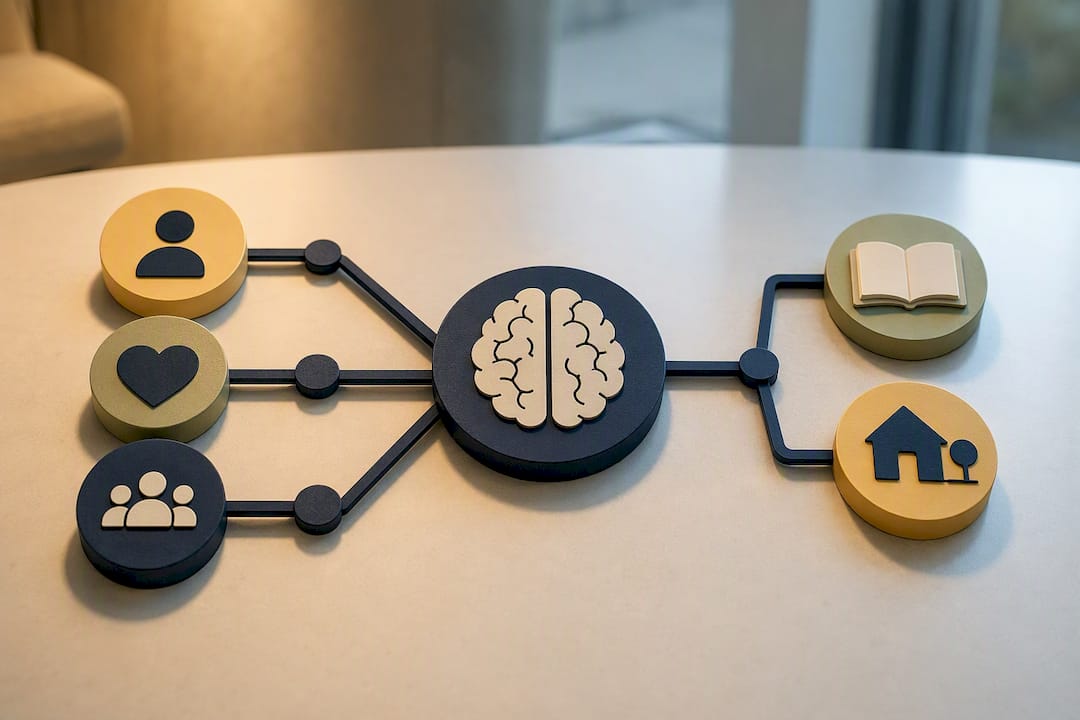
Benefit sharing extends that idea past the dollar amount on the check. It can mean funding infrastructure, training local staff, or building a dissemination plan so results actually reach the survivors and families who need them, not just a journal’s subscriber list.
As a donor or sponsor, you can operationalize this without becoming a research expert yourself:
- Ask whether the project includes a community advisory board.
- Fund capacity building alongside the study itself, not instead of it.
- Request a dissemination plan as a condition of a larger gift.
A gift that funds training and infrastructure alongside a study tends to leave more behind than one that funds the study alone.
Drive With Care’s Approach to Research and Survivor Support
Drivewithcare channels donations into two connected goals: funding neurological research on brain injury and memory loss, and supporting survivors directly through resources like our concussion and TBI red flag checklist and emotional and psychological support services. Our Safer Roads Now initiative and pledge program tackle the human-error side of the problem, since driver behavior contributes to the vast majority of crashes.
Corporate partners typically start with a scoped pilot, whether that’s event sponsorship or an employee volunteer day, before scaling to a multi-year commitment. If you want to talk through a larger gift or a corporate program, the organization’s team is the right first call.
Donate Now: How to Give or Partner With Drivewithcare Today
If you’ve read this far, you already know the mechanics. What’s left is choosing your channel and clicking through. Drivewithcare makes that step short on purpose: no lengthy forms, no waiting for a callback before you can give.

Individual donors can complete a one-time or recurring gift in a few minutes through Donate Now, where you choose the amount, the frequency, and get an immediate tax receipt by email. If you’re exploring a legacy gift or a multi-year commitment instead, our contribution page walks through wills, estate plans, and named-fund options, and you can sign up for updates to see how past gifts have been used.
Corporate sponsors and foundations looking to build a year-long partnership, sponsor a program, or set up employee volunteer days should reach out directly. We’ll send partnership materials and set up a call to scope a pilot before anything gets locked in. Have questions about your receipt or gift acknowledgment letter? Our donor support contact is listed on the Drivewithcare homepage.
Resources for Verifying Giving Options and Research Standards
- Ways to give — Brain Injury Association of America’s overview of donation methods.
- Planned giving guidance — bequests, beneficiary designations, and named funds.
- Nonprofit corporate partnerships — partnership models and best practices.
- Ethical benefit sharing in health research — co-development and community benefit frameworks.
- Head and brain injury cost resources — background on injury impact and related costs.
A Straight Answer About Where the Real Bottleneck Is
Most guides on giving to health causes obsess over the moment you swipe your card. That’s the easy part. The harder, less discussed problem is what happens to your gift after it lands, and most donors never ask.

I’d argue the biggest gap in brain injury research funding isn’t the volume of dollars coming in. It’s how few donors and sponsors ask whether their gift is restricted, whether the project has a dissemination plan, or whether survivors had any say in what got studied in the first place. A $500 recurring gift with a clear reporting cadence can outperform a $50,000 one-off check that vanishes into general operating costs with no update ever sent back.
Corporate sponsors get this wrong in a specific way: they treat a nonprofit partnership like a marketing line item instead of a relationship that needs a real point of contact and a willingness to sit through a slow first pilot before scaling up. The partnerships that actually move research forward are the boring ones, built on a scoped project, a named contact, and a reporting schedule everyone actually follows. If you take one thing from this article, let it be that the vetting checklist matters as much as the giving method you choose.
— Charles
Sources
- Ways to give | Brain Injury Association of America
- Nonprofit corporate partnerships (Volgistics blog)
- Developing a stakeholder-informed social responsibility model for translational science (Deakin dataset)
- Ethical benefit sharing in health research (PMC article)
FAQ
What Is the Fastest Way to Give to Brain Injury Research?
A one-time or recurring gift through a secure online Donate Now portal is the fastest method, typically processed and receipted within minutes.
Can I Get a Tax Deduction for Donating to Brain Injury Research?
Gifts to qualifying nonprofit organizations are generally tax-deductible, but you should confirm the organization’s tax status and request a written gift acknowledgment letter for your records.
How Do Corporate Partnerships With Brain Injury Nonprofits Typically Start?
Most successful corporate partnerships begin with a scoped pilot project, such as event sponsorship or an employee volunteer day, before scaling into a year-long commitment.
What Should I Ask Before Making a Large or Planned Gift?
Ask about the reporting cadence, whether the fund can be restricted to a specific research line, and how the organization’s investment and spending policy protects the gift long term.
How Can I Tell if a Brain Injury Nonprofit Uses Donations Well?
Check for recent audited financials or a Form 990, a reasonable program-to-overhead ratio, and published impact reports describing specific project outcomes.

