How to read an auto claim denial letter
How to read an auto claim denial letter and plan your next step
Safety Behind the Wheel Foundationdrivewithcare.org
Last reviewed:
For survivors and families3 min read
A denial can mean several different things. The insurer may be disputing coverage, fault, what caused the damage or how much you claimed. Read the letter for the exact reason. Look for the policy term or facts it leans on. If the letter isn’t clear, ask for a written explanation before you send a broad objection. [1, 2]
Pin down what was denied
See whether the insurer denied the whole claim or just one part, like a repair line or a rental charge. Note the letter’s date, claim number, instructions for responding and any deadline. Claims under your own policy can follow different steps than claims against another driver’s insurer. Keep the envelope and every page. [1, 2]
Respond with proof
Pick a path for review
Ask for a supervisor or a formal reconsideration process. Your state insurance regulator can take a complaint about how the claim was handled. It may not rule on fault or set a repair price, though. An appraisal clause in your policy may deal with the amount of the loss. It usually doesn’t cover a dispute over coverage. If injuries, deadlines or a large loss are involved, get qualified local legal advice soon. [2, 3]
Questions to ask after you read it
Question checklist from Safety Behind the Wheel Foundation
- What exact reason backs up each denied item?
- What evidence would the insurer look at again?
- Which deadline and review route apply?
Sum up the reason in one paragraph
Recommendation from Safety Behind the Wheel Foundation
Write one paragraph that sums up why the claim was denied. Ask the insurer to clarify any term that’s vague. [1]
Sources and further reading
- 1Texas Department of Insurance, consumer bill of rights
- 2Washington insurance commissioner, auto claim rights
- 3Texas Department of Insurance, auto complaint and appraisal
This is general education from a consumer insurance advocate’s view. Deadlines and rights depend on your state and policy. They also depend on whose insurer you’re claiming against, yours or another driver’s. Get local advice when a lot is at stake.
Special thanks to our contributors
We appreciate the professionals, experts, and community members who share their knowledge and perspectives to help make this resource better. Your insights are always welcome and appreciated.
Have professional expertise, firsthand experience, or a perspective that could make this resource better?
We welcome your input. Your knowledge and experience can help us make this resource more useful, accurate, and meaningful to the people who rely on it.
Thank you. Your contribution is on its way.
We’re grateful you took the time to share your knowledge with us. Our team reviews every contribution with care. If it helps improve this resource, we’ll update the page and recognize you the way you chose.
Keep reading
More on Insurance and claims
Keep learning
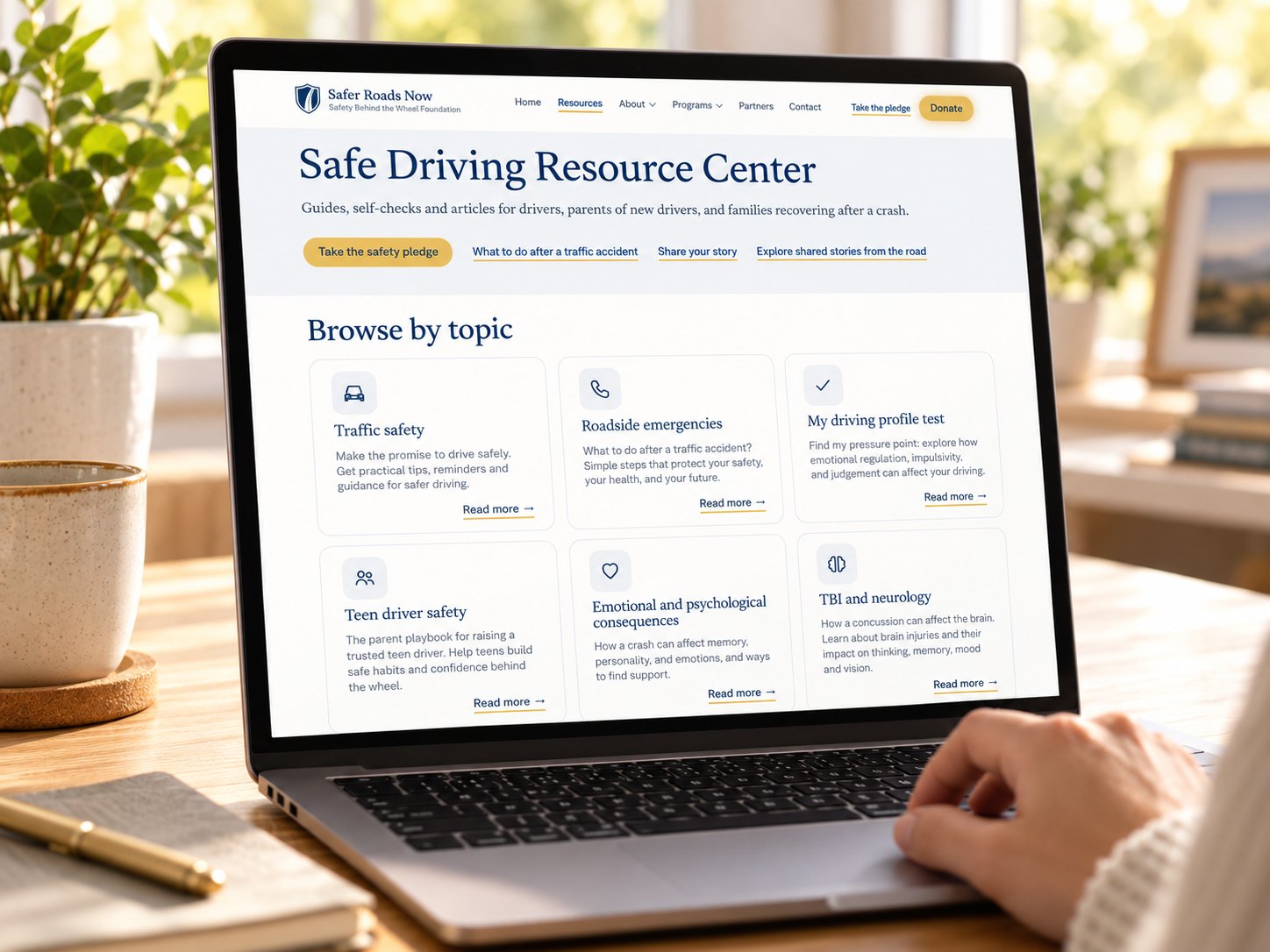
Safe Driving Resource Center
Guides, self-checks and articles for drivers, parents of new drivers, and families recovering after a crash.