

Check that they got proper medical care, offer one specific task instead of a vague “let me know if you need anything,” and listen without trying to fix their feelings. Don’t speculate about who caused the crash or say anything that sounds like an apology on anyone’s behalf. Recovery, especially the emotional kind, often stretches on long after the bruises fade.
TL;DR:
- Supporting a crash survivor involves offering specific help with transportation, meals, childcare, chores, and paperwork to reduce their decision-making burden.
- Applying consistent, repeated actions like scheduled rides or meals helps ease cognitive load and prevents burnout among caregivers and support circles.
- Validating feelings with simple phrases like “I’m here” or “That sounds really hard” is more effective than unhelpful comments that minimize pain or assume certainty about recovery.
- Signs indicating the need for professional help include prolonged symptoms, difficulty functioning, increased substance use, and suicidal thoughts, warranting gentle suggestions for therapy.
- Maintaining your own well-being through task rotation, support groups, and exercise is crucial for sustained help, as caregiver burnout can hinder emotional support efforts.
Table of Contents
- How to Support Someone After an Accident: Understanding Their Reactions First
- What Practical Help Actually Looks Like
- What to Say (and What Never to Say) After an Accident
- When to Suggest Professional Help
- Protecting Your Own Energy While You Help
- Drive With Care’s Resources for Supporters
- A Closing Thought on Showing Up
- Help Fund Support for the Next Family
- Sources
- FAQ
How to Support Someone After an Accident: Understanding Their Reactions First
Before you say or do anything, it helps to know what’s actually happening inside your loved one’s head. Trauma doesn’t behave the way a broken bone does. It doesn’t heal in a straight line, and it rarely announces itself on a schedule.
Common reactions after a crash include:
- Hypervigilance, especially around cars, intersections, or loud noises
- Flashbacks or intrusive memories of the collision
- Trouble sleeping or nightmares
- Irritability or sudden anger that seems out of character
- Trouble concentrating or short-term memory lapses
- Withdrawal from friends, family, or activities they used to enjoy
According to Cigna, these reactions vary greatly in duration and may continue beyond the physical healing period. Anniversaries of the crash can also trigger renewed distress. Emotional recovery often extends beyond physical recovery. Someone who’s medically cleared in six weeks might still be flinching at yellow lights six months later, and that’s not a sign anything is wrong with how they’re coping. It’s a normal part of how the brain processes a threat to survival.
What Practical Help Actually Looks Like
Vague offers get ignored, not because your loved one doesn’t appreciate them, but because deciding what they need takes energy they don’t have; practical guidance for supporters helping with physical transfers and home safety can be found in manual handling at home. “Let me know if you need anything” hands the survivor another decision to make. A specific offer, like “I’m bringing dinner Wednesday at 6, does chicken work?”, removes that burden entirely. Cigna’s guidance on supporting trauma survivors points to exactly this kind of specificity as more effective than open-ended gestures.
Here’s a rough order of what tends to matter most in the first few weeks:
- Transportation to medical appointments. Physical therapy, follow ups, imaging. These add up fast, and driving is often the last thing a crash survivor wants to do.
- Meals. Not one grand gesture. A rotating schedule of simple dinners beats a single elaborate one.
- Childcare. Even two hours of relief can matter more than people expect.
- Household chores. Laundry, dishes, yard work. The unglamorous stuff piles up quietly.
- Paperwork and insurance help. Sorting mail, tracking claim numbers, or just sitting with them while they make calls.
If more than one person wants to help, set up a simple shared calendar or group chat so meals and rides don’t overlap on one day and disappear the next. Injury Matters notes that consistent, repeated actions, like a standing Tuesday ride to physical therapy, reduce cognitive load far more than occasional big favors.
Pro Tip: Rotate helpers on a two-week cycle instead of leaving one person to carry everything. Burnout in the support circle usually shows up faster than burnout in the survivor.
What to Say (and What Never to Say) After an Accident
The right words are simpler than most people expect. You don’t need a script that sounds like a greeting card. You need language that validates rather than fixes.
Phrases that tend to land well:
- “I’m here, and I’m not going anywhere.”
- “That sounds really hard. I’m glad you told me.”
- “You don’t have to talk about it if you don’t want to.”
- “I brought soup. No pressure to eat it now.”
- “How are you doing today, really?”
- “It makes sense that you feel that way.”
Now the ones to avoid, and why they backfire:
- “At least you’re alive” minimizes real pain by comparing it to a worse outcome.
- “You should be over this by now” ignores how trauma actually works.
- “Everything happens for a reason” forces meaning onto something that may have none.
- “I bet the other driver was texting” is speculation that can hurt any future claim.
- “I’m so sorry, I should have driven you that day” sounds like an admission of fault, even when it isn’t one.
Avoid apologizing for the crash or speculating about responsibility. Statements such as “I’m sorry” or “I didn’t see it coming” may be interpreted as admissions of fault in some insurance and legal contexts, according to TheLawPlace. Focus on providing comfort rather than drawing conclusions.
When to Suggest Professional Help
Most people bounce back from a crash without formal therapy. But some signs suggest the survivor needs more support than friends and family can provide alone.
Watch for:
- Symptoms lasting more than a few weeks with no improvement
- Trouble functioning at work or in close relationships
- Increased drinking or drug use
- Any mention of hopelessness or suicidal thoughts
- Severe nightmares, panic attacks, or an inability to leave the house
If you see these, you can say something like: “I’ve noticed you’re still having a hard time, and that’s completely understandable. Would it help if I found a few therapists who specialize in trauma?” Offering to attend the first appointment together often lowers the barrier more than any speech ever could.
On the legal side, encourage them to avoid formal statements about fault until they’ve spoken with an attorney. The World Health Organization points out that survivors do best when medical, psychological, and legal support work together rather than in isolation.
Protecting Your Own Energy While You Help
Supporting someone through trauma is real work, and it can wear you down if you’re not careful.
- Rotate tasks with other family or friends instead of carrying everything solo
- Check in with someone else supporting the survivor so you’re not isolated either
- Use an employee assistance program or local support group if your workplace offers one
- Watch for your own compassion fatigue: irritability, exhaustion, or resentment are early warning signs
Regular movement helps more than people give it credit for. Mayo Clinic notes that physical activity measurably lowers stress and lifts mood, which matters for you as much as for the person you’re helping.
Pro Tip: A 15 minute walk before or after a caregiving shift does more for your patience than an extra hour of scrolling on the couch.

Drive With Care’s Resources for Supporters
A certain nonprofit built its Safer Roads Now initiative around a simple observation: human error drives the overwhelming majority of crashes, and the people left to cope with the aftermath deserve better tools than good intentions alone. The nonprofit’s emotional and psychological support resources walk families through what recovery actually looks like, and the broader resource library covers everything from immediate post-crash checklists to longer-term recovery guides, including a detailed look at how memory and personality can shift after a crash. Donations and volunteer hours help keep these resources free for the families who need them.
A Closing Thought on Showing Up
There’s no perfect script for this. The families who do it well aren’t the ones who say the exact right thing every time. They’re the ones who keep showing up, week after week, even when the survivor is short-tempered or quiet or nowhere close to “back to normal.” Presence outlasts advice. If you want more structure than instinct alone can give you, Drive With Care’s resources are built for exactly this moment.
— Charles
Help Fund Support for the Next Family
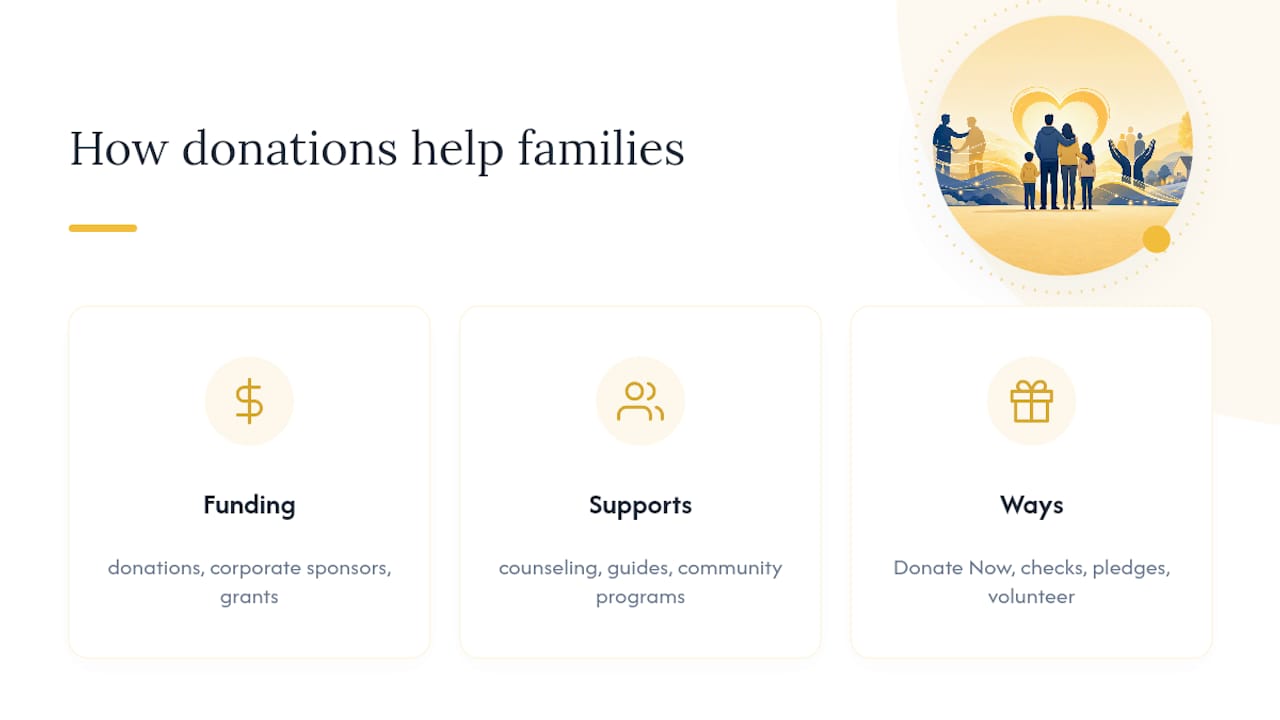
Personal support matters, but not every survivor has someone who knows what to do. The organization runs on donations, corporate sponsorships, and grants that fund survivor resources, driving safety education, and research into how brain injury affects memory and recovery. A gift through Donate Now helps keep counseling referrals, recovery guides, and community programs available for families who need them when they need them most. If writing a check isn’t the right fit, pledge programs and volunteer opportunities can offer other ways to get involved. Whichever route fits your situation, the next step is the same: visit Donate Now and see exactly where the support goes.
This article is general information, not a substitute for advice from a qualified doctor. Consult a qualified healthcare professional about your own circumstances before acting on anything here.
Sources

- Getting support after a traumatic event | Cigna
- Should I admit fault for the car accident? | TheLawPlace
- Post-crash response: supporting those affected by road traffic crashes | WHO
- Exercise and stress: Get moving to manage stress | Mayo Clinic
- Supporting a loved one following road trauma | Injury Matters
FAQ
How Do You Comfort Someone Who Was in an Accident?
Stay physically present, listen without interrupting, and avoid minimizing their experience with phrases like “at least you’re okay.” Simple presence, paired with a specific offer of help, tends to comfort more than any perfect choice of words.
What Are Comforting Things to Say After an Accident?
Try phrases like “I’m here, and I’m not going anywhere,” or “It makes sense that you feel that way.” These validate the experience without pushing for details the survivor may not be ready to share.
What Should You Never Say to Someone After a Crash?
Avoid “at least you’re alive,” “you should be over this by now,” and anything that speculates about fault or sounds like an apology, since those statements can complicate insurance or legal claims according to TheLawPlace.
How Do You Wish Someone Well After a Car Accident?
Keep it simple and specific: “I’m glad you’re safe, and I’m bringing dinner Thursday, what sounds good?” combines warmth with a concrete offer rather than a generic get well message.
When Should Someone See a Professional After a Crash?
If symptoms like nightmares, withdrawal, or irritability last more than a few weeks or start affecting work and relationships, it’s worth gently suggesting a trauma-focused therapist and offering to help find one.

