A crash during a delivery or ride: what to do and who pays
What gig drivers should do at the scene and how app and personal insurance fit
Safety Behind the Wheel Foundationdrivewithcare.org
Last reviewed:
For employers and fleets5 min read
A crash is stressful for anyone. For a rideshare or delivery driver, it comes with extra questions. Is the passenger okay? Will the app cover this? Will my personal insurer cancel me? What happens to the customer’s order?
This guide walks through what to do at the scene and explains how insurance usually works for app based drivers. Rules vary by state and by company, so check the details of your own policy and app.
At the scene
1. Stop and stay calm. Turn on hazard lights.
2. Check for injuries, including any passenger. Call 911 if anyone is hurt or the scene is dangerous.
3. Move to safety if the cars can be driven and no one is badly hurt. Otherwise, stay buckled with hazards on until help arrives.
4. Call police. A police report helps every insurance claim.
5. Exchange information with other drivers: names, phone numbers, insurance, license plates.
6. Take photos of all vehicles, the scene, road conditions and injuries.
7. Get witness names and phone numbers.
8. Do not argue about fault. Stick to facts.
Take care of your passenger or customer
- Ask if they are hurt and call for medical help if needed
- Do not pressure a passenger to stay or leave. Help them arrange another ride if they choose
- Note the passenger’s account name in the app, not their personal details, unless police ask
- For deliveries, tell the customer the order is delayed through the app
Report it in the app
Most ride and delivery apps have a crash or safety report option. Report the crash as soon as you safely can. The app record shows whether you were logged in, waiting, heading to a pickup or on a trip. That timing decides which insurance applies.
How rideshare insurance works
The National Association of Insurance Commissioners explains rideshare coverage in three periods [1]:
Comparison compiled by Safety Behind the Wheel Foundation
Rideshare insurance periods under the model law
| Period | What you are doing | Typical required coverage |
|---|---|---|
| Period 1 | App on, waiting for a request | At least $50,000 per person and $100,000 per crash for injuries, and $25,000 for property damage, depending on state law |
| Period 2 | Request accepted, heading to pickup | At least $1 million in liability |
| Period 3 | Passenger in the car | At least $1 million in liability |
Source: National Association of Insurance Commissioners, based on the TNC model bill [1]. State laws vary.
Important points [1]:
- Your personal policy may not help. Many personal auto policies exclude driving for pay. That can affect liability, injury, collision and uninsured motorist coverage.
- Period 1 is the riskiest gap. Company coverage is lower, and it usually does not cover damage to your own car.
- Your own car’s damage may need collision coverage with a deductible, or a rideshare endorsement from your insurer.
Delivery drivers
Food and package delivery apps write their own insurance rules. Coverage often applies only during an active delivery and may only kick in after your personal policy. Check the insurance page in your app and ask your agent how your policy treats delivery work. Not telling your insurer you drive for pay can lead to a denied claim or a canceled policy.
Your own injuries
Most gig drivers are independent contractors, not employees, so regular workers’ compensation usually does not apply. Some states have special programs. California, for example, requires app companies to provide occupational accident insurance for drivers under a 2020 ballot measure. Ask your app and your state about coverage for medical bills and lost income.
Warning: Get checked by a doctor after any crash, even if you feel fine. Neck, back and head injuries can take hours or days to show symptoms. Keep records of all medical visits.
After the crash
- Call your personal insurer and tell them you were driving for an app. Being honest protects your coverage.
- Keep a file with photos, the police report number, app trip details and medical records.
- Track lost income if you cannot drive.
- Talk to a lawyer if you are badly hurt or a claim is denied.
Checklist: be ready before a crash
Checklist from Safety Behind the Wheel Foundation
- I told my insurer I drive for an app
- I have a rideshare or delivery endorsement, or know why I do not need one
- I know where the crash report button is in each app I use
- I keep my insurance card and app insurance info on my phone
- I have a dash camera, if allowed in my state
- I know my deductible for the app’s collision coverage
Frequently asked questions
Will the app pay for damage to my car?
Sometimes, during Periods 2 and 3, if you have collision coverage on your own policy, and usually with a deductible. In Period 1, damage to your own car is often not covered unless you have the right personal coverage [1].
Will I be deactivated after a crash?
Platforms may pause your account while they review a crash. Cooperate, keep records and follow the app’s process.
Who pays if the other driver was at fault?
The at fault driver’s insurance should pay. If they have no insurance, your uninsured motorist coverage, or the app’s coverage in some periods, may help.
Related articles
Sources and further reading
- 1National Association of Insurance Commissioners. “Commercial Ride-Sharing.” content.naic.org/…/commercial-ride-sharing
This article reflects the safety priorities of care after a crash and gig worker protection. It is general education, not legal or insurance advice. Check your policy, your app’s terms and your state’s laws. Reviewed November 2026.
Special thanks to our contributors
We appreciate the professionals, experts, and community members who share their knowledge and perspectives to help make this resource better. Your insights are always welcome and appreciated.
Have professional expertise, firsthand experience, or a perspective that could make this resource better?
We welcome your input. Your knowledge and experience can help us make this resource more useful, accurate, and meaningful to the people who rely on it.
Thank you. Your contribution is on its way.
We’re grateful you took the time to share your knowledge with us. Our team reviews every contribution with care. If it helps improve this resource, we’ll update the page and recognize you the way you chose.
Keep reading
More on Insurance and claims
Keep learning
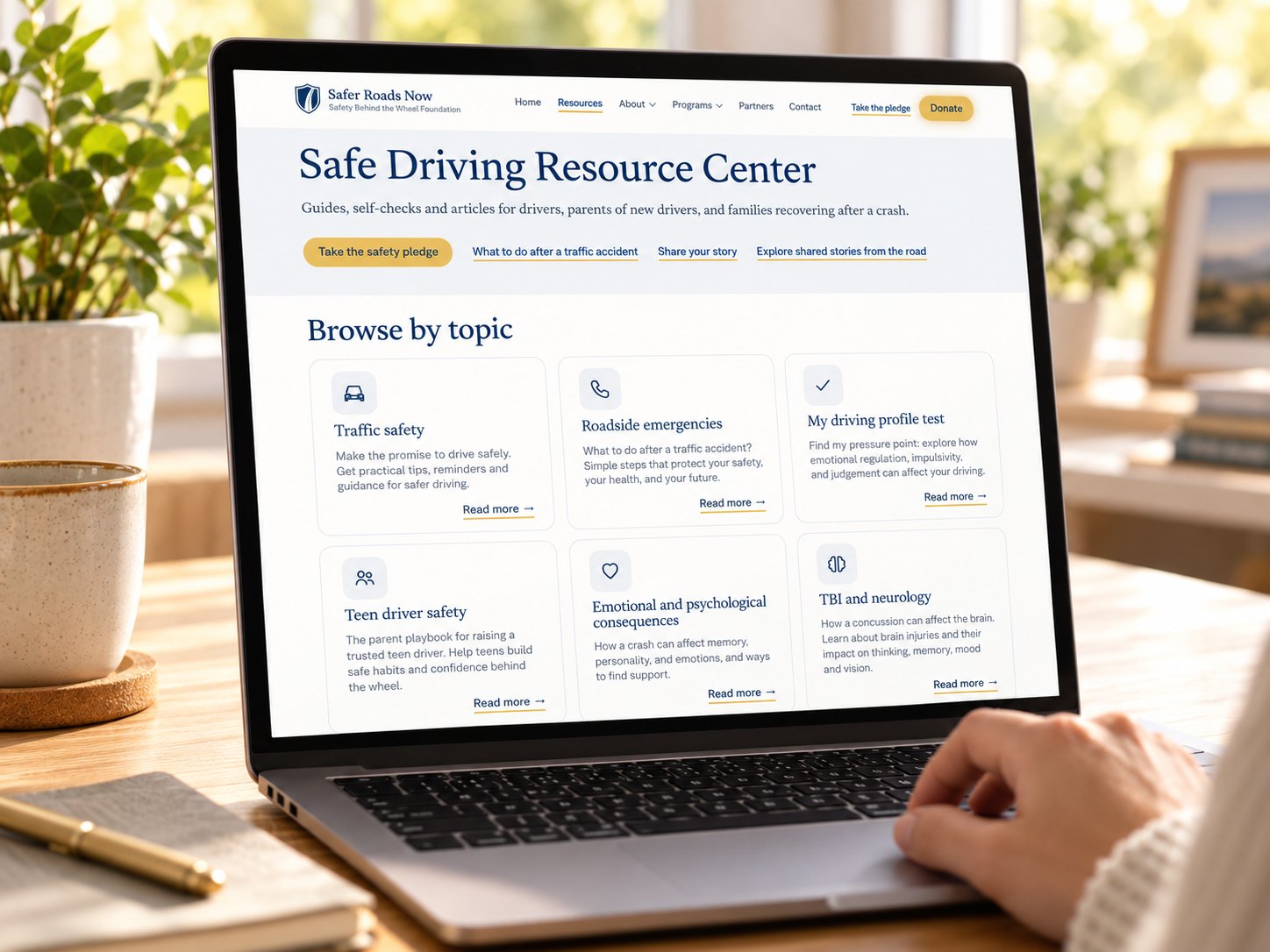
Safe Driving Resource Center
Guides, self-checks and articles for drivers, parents of new drivers, and families recovering after a crash.