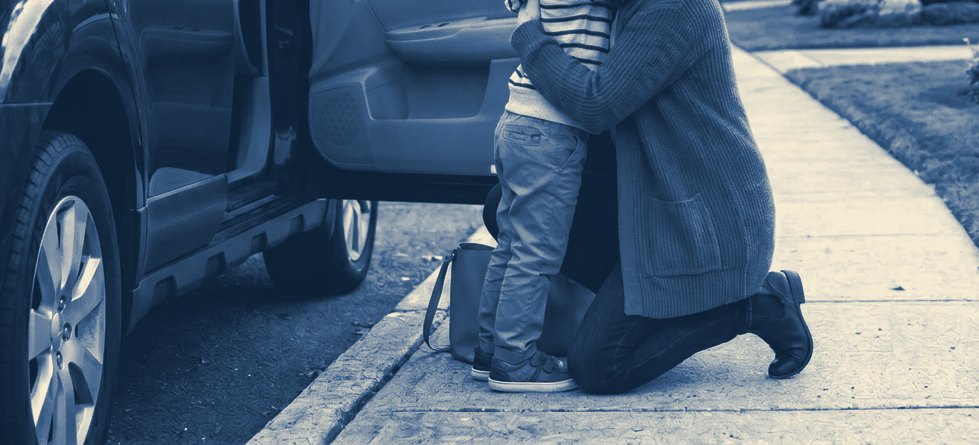
Concussion in a child after a car crash
Insight from a pediatric concussion specialist
For survivors and families3 min read
A child doesn’t have to pass out to get a concussion. A jolt to the head or the body can cause one. [1, 2]
Symptoms may show up after the first exam. Watch for headache, dizziness, nausea and trouble with bright light. Slower thinking and mood changes can appear too. Ask your child simple questions and see how they handle everyday tasks. A scalp that looks normal doesn’t prove the brain is unhurt. [1, 2]
Make sure the right person checks your child
Any child who may have a concussion should see a health care provider. Describe the crash and any blow to the head. Mention any gap in memory, past concussions and medicines your child takes. [2, 3]
The provider checks symptoms, thinking and balance. They also look for signs of a more serious injury. A scan isn’t needed to diagnose every concussion. Ask for written instructions made for your child in particular. [2, 3]
Take it easy, then ease back in
Start with a short stretch of relative rest, which means taking it easier than usual. Then bring back light daily activities bit by bit, as your child can handle them. Normal sleep helps. Don’t keep your child shut in a dark room or in bed all day. If symptoms get a lot worse during an activity, stop it. [2, 3]
Keep your child away from sports, biking and other activities that could cause another head injury. Wait until a doctor says it’s safe. [2, 3]
Know the signs of getting worse
Call emergency services or go to an emergency department for repeated vomiting or a headache that worsens and won’t quit. A seizure, unusual confusion, weakness, slurred speech or trouble waking up also need emergency help. Call your child’s doctor if symptoms get worse or don’t improve as expected. [1, 2]
Questions for your child's doctor
- Which symptoms should we keep track of?
- What school work and physical activities are safe right now?
- When should we schedule a follow up visit?
Keep a daily log
Each day, jot down your child’s symptoms, sleep and activities. [2]
Sources and further reading
- 1CDC, concussion signs and danger signs
- 2CDC, recovery from concussion
- 3CDC, pediatric mild brain injury guidance
Consider this general background from pediatric concussion care. Only a doctor can diagnose a concussion and shape a recovery plan for your child. If you see danger signs, get emergency care.
Keep reading
More on Children after a crash
Keep learning
Safe Driving Resource Center
Guides, self-checks and articles for drivers, parents of new drivers, and families recovering after a crash.