
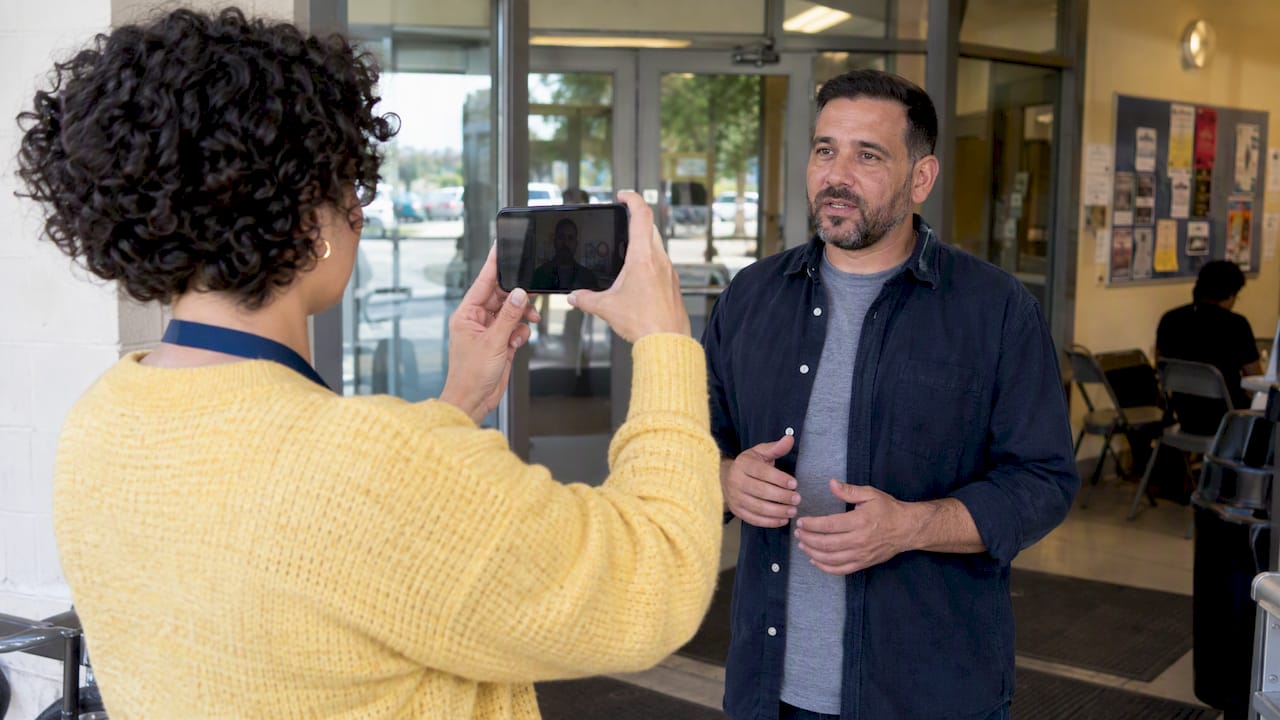
Short, localized social media campaigns that pair clear behavior-change messaging with real evaluation produce the strongest results. A 2025 pilot using the ADDIE instructional design framework found that 98.8% of participants preferred brief educational videos, and those videos drove measurable gains in knowledge and intent. We built this playbook from that evidence and from experience running survivor-driven pledge programs.
TL;DR:
- Campaigns that pair brief, educational videos with local messaging and pre-testing see significant improvements in knowledge and behavioral intent.
- Focusing on one or two specific behavior-change goals and localizing content increases effectiveness and audience engagement.
- Short vertical videos with a clear hook and a single call to action outperform longer assets, especially when tailored to platform and audience.
- Evaluation should include both reach metrics and pre/post surveys to measure actual behavior change, with campaign adjustments based on early performance.
- Ethical considerations, including informed consent and avoidance of graphic or shock content, are essential to maintain credibility and prevent harm.
Table of Contents
- What belongs in every campaign’s creative brief
- Choosing platforms and formats that hold attention
- How to plan a campaign from research to evaluation
- What recent campaigns got right, and wrong
- Measuring reach, engagement, and real behavior change
- How we built Safer Roads Now around survivor stories
- Staying on the right side of legal and ethical lines
- Chasing virality without losing the message
- Partner with us to run or support a campaign
- FAQ
- Sources
What belongs in every campaign’s creative brief
A campaign succeeds or fails before a single post goes live, in the brief that defines objectives, audience, and message. Trying to change five behaviors at once dilutes all of them, so the strongest campaigns limit themselves to one or two intermediate goals, like getting drivers to put phones away before starting the engine, and build every asset around that.
Audience segmentation matters as much as the message itself. A campaign aimed at teen drivers needs different platforms, visuals, and tone than one aimed at parents of teen drivers or at commercial fleet operators.
- Define one or two measurable behavior-change goals before writing any copy.
- Build personas around platform habits, language, and local cultural cues, not just age brackets.
- Write a single clear call to action per message, pairing emotional weight with a practical next step.
- Localize text with city or state names and local crash data rather than generic national statistics.
- Pre-test creative with a small audience sample and build in subtitles and alt text from the start.
Accessibility features are not an afterthought. Subtitles catch viewers who watch muted, and alt text lets screen readers carry the message to people who would otherwise miss it entirely.
Choosing platforms and formats that hold attention
Different platforms carry different audiences, so the match between platform and persona decides whether a campaign gets seen at all. TikTok and Instagram reach younger drivers best, Facebook still holds older adults and parents, and X works for policy conversations and media pickup rather than mass behavior change.
Format discipline matters more than production value. Short vertical video, between 15 and 90 seconds, with a hook in the first three seconds and one clear call to action, consistently outperforms longer or multi-message assets.
- Match each platform to the persona it actually reaches instead of posting the same asset everywhere.
- Keep vertical video short, hook viewers immediately, and limit each asset to one call to action.
- Use local hashtags tied to community events rather than generic national tags.
- Test animation and meme formats carefully since meme-style posts can significantly lift reach and engagement, but balance organic posting with a small paid budget to boost high-performing content once it proves itself.
Pro Tip: Boost a post only after it earns organic engagement in the first 24 hours; paid spend amplifies what already works instead of propping up weak creative.
How to plan a campaign from research to evaluation
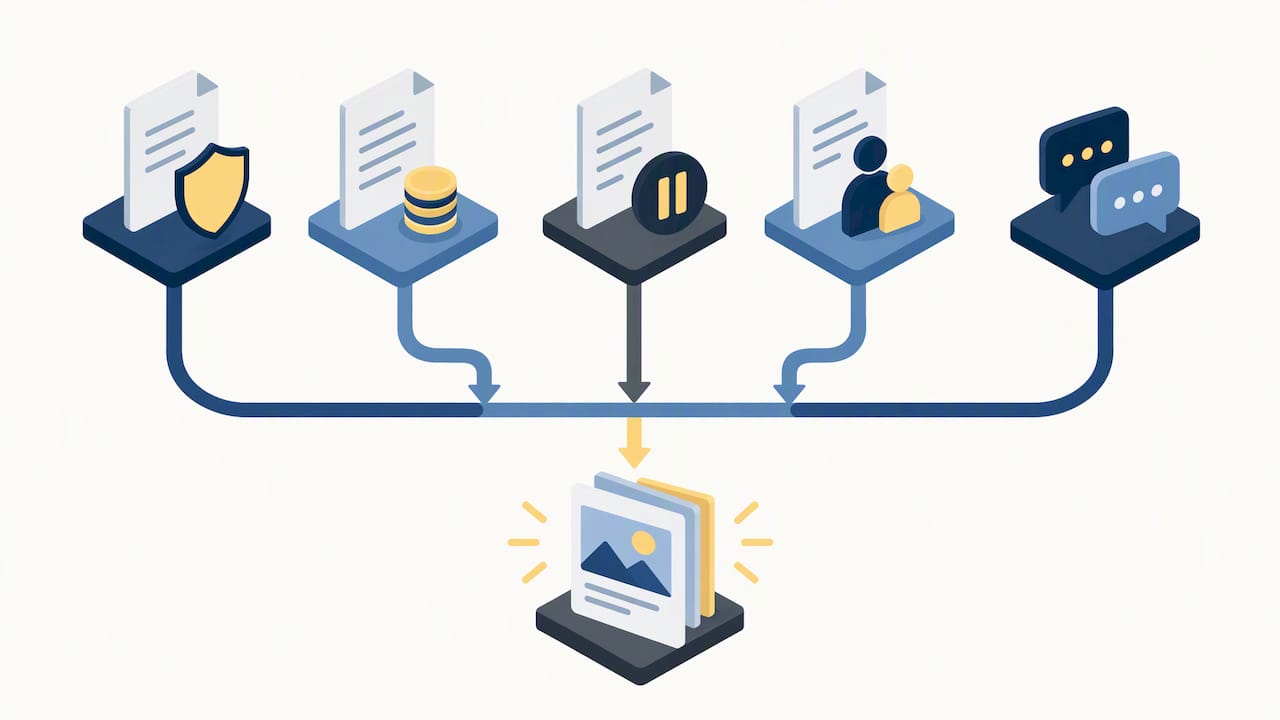
A campaign runs in five overlapping phases, each with its own timeline and deliverables, following the cycle laid out in the WHO and BP-GRSP mass media toolkit.
- Setup and formative research (4 to 8 weeks): gather stakeholders, review existing local crash data, and write SMART objectives tied to one or two behaviors.
- Message development and pre-testing (2 to 6 weeks): draft copy and visuals, then test them with a small sample of the target audience before full production.
- Production and media planning: finalize the asset list, lock a posting calendar, and set paid targeting parameters by platform and persona.
- Launch and monitoring: publish on schedule, track daily performance, and adjust underperforming assets in near real time.
- Post-campaign evaluation: run pre and post surveys, triangulate the results against analytics, and apply lessons to the next cycle.
This structure mirrors the WHO toolkit’s 10-step cycle, which stresses pairing media work with enforcement and education rather than running social content in isolation. Teams that skip the pre-testing phase tend to discover message problems only after launch, when correction costs far more in time and reach.
What recent campaigns got right, and wrong
Looking at specific campaigns shows which tactics actually move the needle and which ones only look like they do.
- A community walk-and-wrap-up event paired with social assets reached far beyond the people who attended in person, showing that offline events and digital content amplify each other.
- A national Spanish campaign examined in a Frontiers case study achieved high virality, but some viewers reacted with humor rather than absorbing the safety message, a reminder that reach alone does not prove understanding.
- A university pilot validating the DINA HALO model found that short interactive videos, built on behavioral theory and distributed through TikTok and Instagram, produced measurable gains in both knowledge and intent, supporting the case for an ADDIE-style design process.
- Hashtag mobilizations tied to specific local events and paired with ready-made templates drove noticeably higher engagement than generic national tags asking people to post on their own.
The pattern across all four: campaigns that pair a tested message with a concrete local hook outperform campaigns chasing reach for its own sake.
Measuring reach, engagement, and real behavior change
Evaluation works best as two layers, not one. Performance metrics tell you whether people saw and watched the content; behavior change metrics tell you whether it mattered.
- Impressions and reach show how many people encountered the content at all.
- Engagement rate (likes, shares, comments relative to reach) signals whether the message resonated enough to act on.
- Video completion rate indicates whether the hook held attention past the first few seconds.
- Pre and post surveys measuring knowledge, attitudes, and stated intent are the only reliable way to claim a shift in behavior, not just attention.
A 2025 ADDIE-based pilot found statistically significant gains in knowledge and behavioral intent among participants who viewed short educational videos, evidence that a well-designed short-video campaign can move beyond views into measurable intent change.
Build survey timing around the campaign’s natural rhythm: a baseline poll before launch, a follow-up two to four weeks after the heaviest posting period, and a final check a few months out if budget allows. Triangulate survey results against enforcement or education program data where it exists, and summarize all of it in a short report covering reach, engagement, survey movement, and what you would change next time.
How we built Safer Roads Now around survivor stories
A Safer Roads Now initiative pairs survivor stories with community pledges and data analysis, because human error drives most crashes and personal narrative tends to cut through noise that statistics alone cannot. We offer pledge programs, partnership tiers, and planning resources that schools, driving instructors, and local agencies can adapt directly.
- Our pledge program has collected thousands of commitments to safe driving habits.
- Our resource library includes templates and training materials partner organizations can adapt.
- Driving schools and local agencies can build campaign content around pledge activation rather than starting from a blank page.
Groups building messaging for teen drivers specifically may also find value in our guidance on talking with young drivers under pressure.
Staying on the right side of legal and ethical lines
Road safety messaging touches real injuries, real deaths, and real grief, which raises the ethical bar above typical marketing content. Using crash footage, survivor photos, or graphic imagery without informed consent risks both legal exposure and real harm to people already affected by a crash.
Claims about legality, safety, or enforcement need grounding in the rules that actually apply where the campaign runs, since traffic law varies by country and even by state or province. A campaign that implies a behavior is illegal everywhere, when it is only restricted in some jurisdictions, misleads the audience and undermines credibility with local partners who know the actual rules.
Fear-based messaging raises its own concerns. Content that relies on shock value without a constructive call to action can traumatize survivors and families following the campaign, and it tends to produce the kind of humorous, off-message reactions documented in the Spanish virality case study rather than genuine behavior change.
Campaigns featuring survivor stories should get explicit, informed consent for how a story will be used, including whether it will run as paid content, and should give subjects the ability to withdraw participation. Partnership content involving minors, such as teen driver pledges, needs parental consent handled transparently and documented before any footage or quote goes public. Build in a moderation plan for comments before launch, since a crash-related post will draw grief, anger, and occasionally misinformation that needs a calm, prepared response rather than silence or deletion.
Chasing virality without losing the message
The instinct to chase shares often works against behavior change. A clear, slightly less viral message that survives contact with a fast-scrolling feed beats a punchier one that gets misread as a joke, and humor needs a tight leash before it drifts from the safety point. Pair every digital push with enforcement or classroom education for it to stick.
— Charles
Partner with us to run or support a campaign
We offer practical ways to join this work right now. Our partnership tiers include campaign support, pledge activation tools, and training materials your organization can put to use immediately.

- Safety Supporter Partnership at $250 one-off for organizations getting started.
- Community Safety Partner Partnership at $1,500 one-off for sustained local campaign support.
- Road Safety Partner Partnership at $5,000 one-off, or become a Founding Road Safety Partner at $10,000 one-off.
You can also make a direct contribution through our Donate Now page to fund pledge programs and survivor support resources today.
FAQ
What is the theme of road safety 2026?
Specific annual road safety themes vary by country and organizing body, so there is no universal global theme each year. Check your national road safety authority or the United Nations Road Safety Collaboration for the theme that applies in your region.
What are the 5 C’s of safe driving?
Definitions vary across driving schools and safety organizations, so there is no single standardized list. A common version covers concentration, caution, courtesy, confidence, and control, though some programs substitute or add terms like clarity or communication.
What are some important topics for road safety?
Core topics include distracted driving, impaired driving, speeding, seatbelt use, pedestrian and cyclist safety, and teen driver risk. Effective campaigns tie each topic to a single clear behavior change goal rather than covering all of them in one message.
What is a good slogan about road safety?
A strong slogan is short, names one specific behavior, and avoids vague appeals to “being careful.” Localized slogans referencing a community’s own roads or events tend to outperform generic national lines, according to platform guidance from Traffic Safety Marketing.
Sources
- Interactive social-media based pilot using ADDIE (2025)
- Social Media Playbook | Traffic Safety Marketing
- Road safety mass media campaigns: a toolkit (WHO / BP-GRSP)
- Assessing the ‘virality’ of a road safety communication campaign: case study in Spain

