Your car is totaled, but you still owe on the loan
What happens when your loan is larger than your totaled car's value
Safety Behind the Wheel Foundationdrivewithcare.org
Last reviewed:
For survivors and families3 min read
A total loss payment usually reflects what the car is worth under the claim rules. It doesn’t automatically match what’s left on your loan. When the loan is bigger than the settlement, some balance may be left over. The lender also holds a claim on the car. That affects how the payment gets issued. Before you assume the account is closed, get the numbers in writing. [1, 2]
Gather three numbers
From the insurer, get the settlement it is offering and any deductible. Get a dated payoff amount from the lender that includes interest and fees. Next, see if you purchased guaranteed asset protection, commonly known as gap coverage. It may have come with the loan or lease, or from the dealer or insurer. [1, 2]
Gap products come with limits and exclusions. Find out from the provider exactly how to file and what amount it might pay. [1, 2]
Stay current on the loan
You can still owe on the loan while the claim is open. Check with the lender about whether a scheduled payment is still due. Ask how they’ll apply any insurance money. If you can’t make a payment, call the lender before it’s due to ask what options are available. Don’t count on a spoken promise that insurance will take care of everything. [1, 2]
Make sure the account closes correctly
After the payments go through, request a new loan balance or a letter saying the loan is paid in full. Find out if add on products you never used may be refunded under your contract. Keep the settlement, the gap decision and the lender statement together. If the numbers don’t add up, ask each company to explain how it did the math. [1, 2]
If the other driver caused the crash
The other driver’s insurer pays what your car was worth before the crash, not what is left on your loan [3]. That payment usually goes to your lender first. If the loan is bigger than the car’s value, you still owe the rest unless gap coverage pays it [1, 3].
You can also file under your own collision coverage, which may be faster. Your insurer may then try to recover your deductible from the other driver’s insurer [4].
If your car has a title loan
A title lender holds a lien on your title, so it is usually paid first from the settlement, the same as a bank. You still owe any balance that is left. Title loans often carry very high interest, about 300% a year in federal research, so ask for a payoff amount good through a specific date and get the lender paid quickly [5].
Questions for the lender and insurer
Question checklist from Safety Behind the Wheel Foundation
- What is the loan payoff amount, and as of what date?
- Who gets the insurance check?
- Do I have gap coverage, and what are its exclusions?
- Will the other driver’s insurer pay my lender directly?
Ask for both statements on one day
Recommendation from Safety Behind the Wheel Foundation
Request both papers on one day: the insurer’s settlement in writing and the lender’s payoff statement. [1]
Sources and further reading
- 1Consumer Financial Protection Bureau, gap coverage
- 2California Department of Insurance, total loss and loan balance
- 3Nolo, totaled car with money still owed
- 4Washington insurance commissioner, what to expect after your car is totaled
- 5Consumer Financial Protection Bureau, auto title loan study (2016)
This is general information from a consumer finance viewpoint. Loan, lease, insurance and gap contracts all differ. Get written figures from the lender and the insurer before you make a money decision.
Special thanks to our contributors
We appreciate the professionals, experts, and community members who share their knowledge and perspectives to help make this resource better. Your insights are always welcome and appreciated.
Have professional expertise, firsthand experience, or a perspective that could make this resource better?
We welcome your input. Your knowledge and experience can help us make this resource more useful, accurate, and meaningful to the people who rely on it.
Thank you. Your contribution is on its way.
We’re grateful you took the time to share your knowledge with us. Our team reviews every contribution with care. If it helps improve this resource, we’ll update the page and recognize you the way you chose.
Keep reading
More on Vehicle repair and total loss
Keep learning
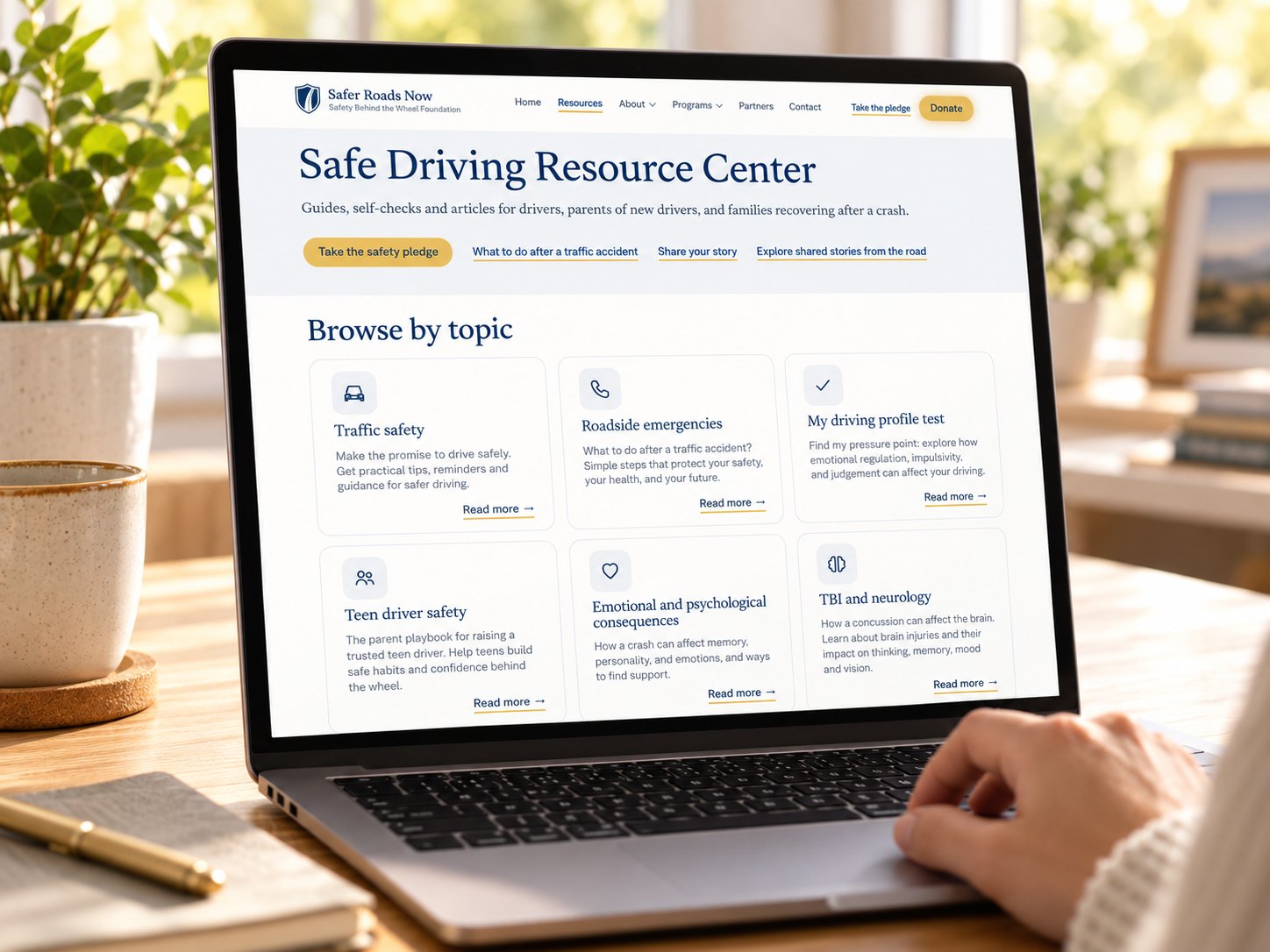
Safe Driving Resource Center
Guides, self-checks and articles for drivers, parents of new drivers, and families recovering after a crash.