
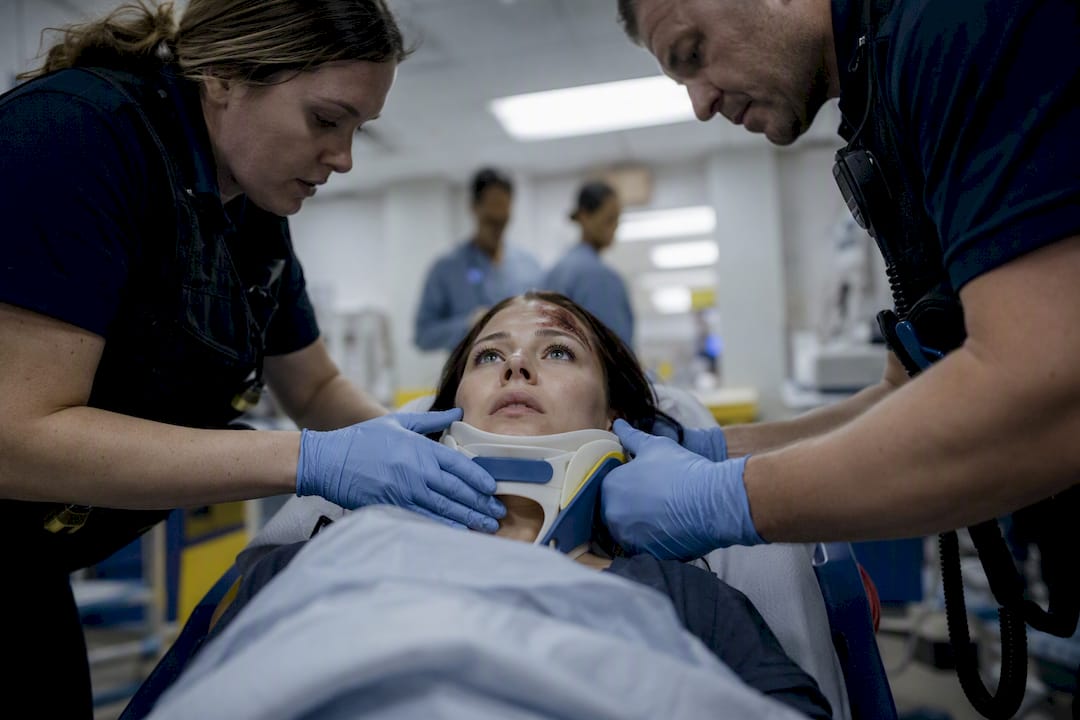
Yes, car crashes commonly cause brain injuries, ranging from mild concussions to severe traumatic brain injury (TBI), and some of the most dangerous ones look fine at first. If you or a passenger hit your head, felt dazed, or briefly blacked out during a collision, treat it as a possible brain injury until a doctor says otherwise.
Start here. If any of the danger signs the CDC lists show up, call 911 or get to an emergency room immediately:
- Worsening headache that won’t ease up
- Repeated vomiting or new seizures
- Unequal pupil size or slurred speech
- Extreme confusion, agitation, or unusual behavior
- Difficulty waking the person up
Even without those signs, don’t assume you’re in the clear. A brief loss of consciousness or a few minutes of memory fog around the crash still counts as a red flag worth documenting. Drivewithcare built a concussion and TBI red-flag checklist specifically for this window, when survivors and families are trying to figure out what’s normal and what isn’t.
Key Takeaways
Brain injury after a car crash ranges from concussion to severe trauma, and active monitoring plus early, structured rehabilitation drives the best recovery outcomes.
| Point | Details |
|---|---|
| Act on danger signs immediately | Worsening headache, repeated vomiting, seizures, or extreme confusion mean an ER visit, not a wait-and-see approach. |
| A clean CT scan isn’t the final word | Standard CT catches bleeds and fractures, not concussion, so persistent symptoms still need follow-up. |
| Symptoms can be delayed | Physical, cognitive, emotional, and sleep symptoms may not appear for hours or days after the crash. |
| Active rehab beats passive rest | Graded return to activity and multidisciplinary rehab improve outcomes more than lying in a dark room. |
| Drivewithcare offers survivor tools | Its red-flag checklist, family guidance, and donations fund ongoing survivor support and brain injury research. |
This article is general information, not a substitute for advice from a qualified doctor. Consult a qualified healthcare professional about your own circumstances before acting on anything here.
Table of Contents
- Types of Brain Injuries That Commonly Follow Car Crashes
- Symptoms of Brain Injury: What Shows Up and When
- When to Seek Emergency Care After a Head Injury
- How Doctors Diagnose Brain Injury After a Crash
- Treatment and Recovery After a Brain Injury
- Long-Term Effects of Brain Injury After a Car Accident
- Supporting Recovery at Home: What Families Should Track
- Preventing Brain Injury in Car Accidents
- Why Drivewithcare Built This Resource
- Legal Considerations After a Brain Injury in a Car Crash
- Charles’s Take: What the Research Actually Tells Us
- How Drivewithcare Supports Survivors and Families
- Sources
Types of Brain Injuries That Commonly Follow Car Crashes
Not all brain injuries from a car accident look the same, and the crash mechanics behind them differ too. Understanding the category you’re dealing with shapes everything that comes next, from ER decisions to rehab planning.
Concussion (mild TBI) is the most common outcome. It happens when the brain shakes inside the skull hard enough to disrupt normal function, without necessarily causing visible structural damage on a scan. Most people recover, but the injury is real even when imaging looks clean.
Diffuse axonal injury (DAI) is more serious and specifically tied to the physics of car crashes. When a vehicle decelerates suddenly, the brain’s long nerve fibers stretch and shear from rotational force, an injury pattern that commonly occurs in auto accidents rather than falls or sports. DAI can cause widespread cognitive impairment that’s harder to pin down on standard imaging.
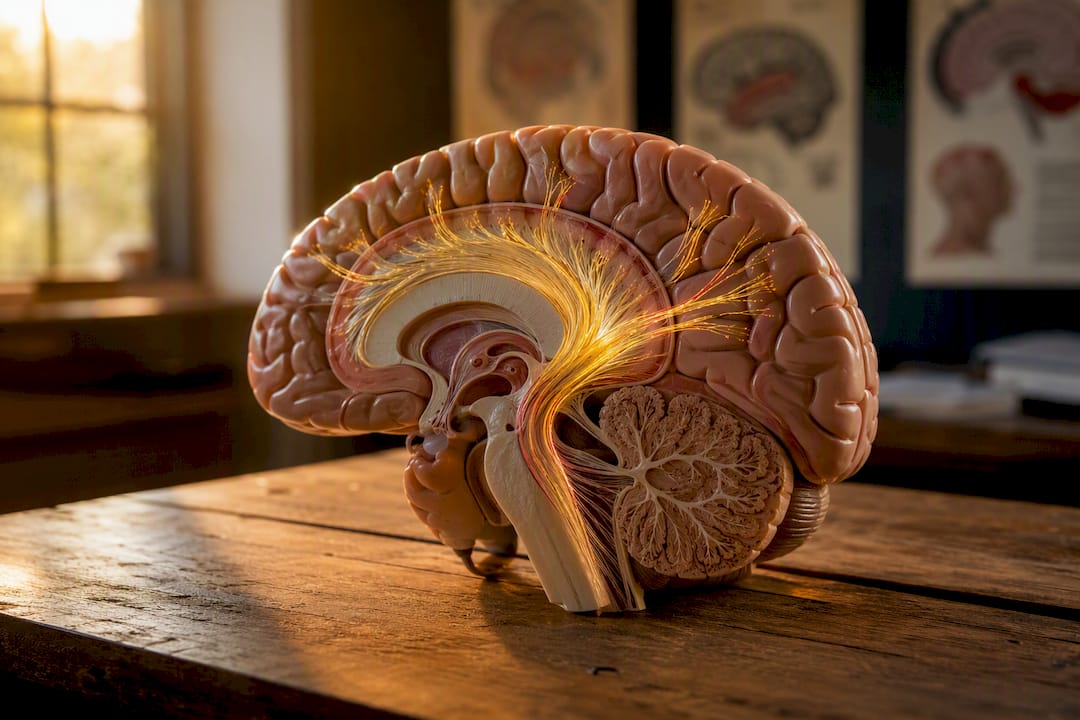
Contusions are bruises on the brain tissue itself, often occurring on the side opposite the impact point. This is the classic coup-contrecoup pattern: the head strikes the steering wheel or window (coup), and the brain slams into the opposite side of the skull as it rebounds (contrecoup).
Hematomas, epidural or subdural, involve bleeding between the skull and brain that can build pressure over hours. These are among the most time-sensitive injuries in trauma medicine.
Skull fractures and, far less commonly in car crashes, penetrating injuries from shattered glass or debris round out the list.
Here’s what surprises a lot of survivors: it’s rarely just one of these. A single crash can produce a concussion, a small contusion, and mild DAI simultaneously. That’s part of why a “clean” initial diagnosis sometimes gets revised once symptoms unfold over the following days.
Symptoms of Brain Injury: What Shows Up and When
Symptoms after a crash fall into four broad categories, and mild TBI symptoms can look very different from moderate or severe injury symptoms in both intensity and duration.
- Physical symptoms include headache, nausea, vomiting, dizziness, balance problems, blurred or double vision, and unusual sensitivity to light or noise. These are often the first things people notice, sometimes within minutes of the crash.
- Cognitive symptoms show up as confusion, trouble concentrating, slowed thinking, feeling “foggy,” or gaps in memory around the event itself. A person might answer questions a beat too slowly or repeat the same question minutes apart.
- Emotional and behavioral symptoms include irritability, sudden anxiety, tearfulness, or mood swings that feel out of character. Family members frequently notice these before the survivor does.
- Sleep disturbances run in both directions. Some people can’t fall or stay asleep; others sleep far more than usual and still wake up exhausted.
The timing matters as much as the symptom list. Concussion symptoms can appear immediately or be delayed by hours to days, which is exactly why so many people walk away from a fender bender feeling “fine” and then spend the next 48 hours wondering why they can’t concentrate at work or why a headache won’t quit.
Mild TBI symptoms typically follow this pattern: noticeable but not incapacitating, resolving over days to a couple of weeks. Moderate to severe TBI symptoms tend to be more pronounced from the start, longer loss of consciousness, persistent vomiting, seizures, or a Glasgow Coma Scale score that flags the injury as more than a concussion. If you’re unsure which category you’re in, that uncertainty itself is a reason to get evaluated rather than wait it out.
When to Seek Emergency Care After a Head Injury
Some symptoms mean “call your doctor tomorrow.” Others mean “go to the ER now.” Knowing the difference can genuinely save a life, since intracranial bleeding and other life-threatening complications can develop silently in the hours after a crash.
Go to the emergency room immediately for:
- Loss of consciousness, even briefly
- A headache that keeps getting worse rather than better
- Repeated vomiting, seizures, or slurred speech
- One pupil looking larger than the other
- Increasing confusion or trouble staying awake
- Any weakness, numbness, or trouble with coordination
In the ER, expect a neurological exam and a Glasgow Coma Scale assessment to gauge alertness and responsiveness. If the mechanism of injury or symptoms warrant it, staff will order a CT scan to check for bleeding, swelling, or fractures. Higher-severity cases get triaged toward trauma centers with neurosurgical backup on call.
Pro Tip: If you’re the one bringing someone in, write down the timeline before you walk through the door: what time the crash happened, how long they were “out,” and exactly what they said or did afterward. ER staff make faster, better decisions with that timeline than with a shaken secondhand summary.
How Doctors Diagnose Brain Injury After a Crash
The CT scan is the workhorse of ER brain imaging, and for good reason: it’s fast and excellent at catching the emergencies that need immediate intervention, like bleeds, swelling, and skull fractures.
Here’s the part that trips a lot of people up. A normal CT scan does not rule out a concussion or microscopic brain injury. Standard CT is built to catch acute, structural, life-threatening problems, not the functional disruption that defines a concussion or milder diffuse axonal injury. That’s why a patient can leave the ER with a “clean scan” and still be dealing with real, measurable brain injury symptoms a week later.
When something doesn’t add up, clinicians reach for other tools:
- MRI, which picks up subtler tissue changes CT misses, particularly useful when symptoms persist beyond the expected recovery window
- Glasgow Coma Scale scoring, used both in the ER and for tracking recovery
- Post-traumatic amnesia duration, a recognized marker of injury severity
- Neurocognitive screening, checking memory, attention, and processing speed
If headaches, brain fog, or mood changes linger past two or three weeks, ask about outpatient follow-up, including a neuropsychological assessment. That kind of testing catches deficits routine exams simply aren’t built to detect.
Treatment and Recovery After a Brain Injury
Recovery paths split early, based on severity, and following the wrong one for your situation slows everything down.
For moderate to severe TBI, acute care comes first. That can mean surgery to relieve a hematoma, medication and monitoring to control intracranial pressure, and ICU-level observation until the patient stabilizes. This isn’t something you manage at home; it’s hospital-driven, minute-by-minute care.
For concussion and mild TBI, the modern approach looks nothing like the old advice to lie in a dark room for a week. Active, guided rehabilitation now outperforms passive rest for most patients. A structured recovery plan generally follows this progression:
- Symptom-directed rest for the first 24 to 48 hours, limiting screens, reading, and strenuous activity without going fully dark-room.
- Light activity reintroduction, short walks and everyday tasks, as tolerated, watching for symptom flare-ups.
- Graded return to cognitive load, easing back into work or school with shortened hours or reduced screen time.
- Graded return to physical exertion, building back toward exercise and, eventually, contact activity if relevant.
- Full return, once symptoms stay quiet through normal activity levels for a sustained stretch.
When symptoms don’t clear on that timeline, coordinated rehab across specialties makes a measurable difference. That can include vestibular therapy for balance and dizziness, vision therapy for eye tracking problems, physical and occupational therapy for physical deficits, neuropsychology for cognitive rehab, and behavioral health support for the mood and anxiety symptoms that often tag along.
Pro Tip: Keep a simple daily symptom log, a 1 to 10 rating for headache, fatigue, and mood, noted at the same time each day. Patterns that are invisible day to day (worse on high screen-time days, better on rest days) jump out clearly after a week of data, and your care team can act on that faster than on “I’ve felt kind of bad.”
Escalate back to your doctor if symptoms plateau instead of improving, or if you notice new symptoms weeks after the crash rather than the expected gradual fade.
Long-Term Effects of Brain Injury After a Car Accident
Most concussions resolve within two to four weeks with proper active management. But 20 to 30 percent of patients develop post-concussion syndrome, symptoms that persist well beyond the typical recovery window.
Long-term complications worth knowing about include:
- Chronic or recurring headaches that outlast the initial injury by months
- Cognitive slowdown, word-finding trouble, and difficulty multitasking
- Mood disorders, including depression and anxiety that emerge weeks after the crash
- Ongoing sleep disruption
- In cases of repeated or severe injury, elevated long-term risk factors that specialists continue to study, including links to chronic traumatic encephalopathy and post-traumatic epilepsy
If symptoms stretch past a month, that’s the point to pursue specialist care rather than wait for further improvement. It’s also worth revisiting driving safety and work demands directly with your care team. Cognitive fatigue and slowed reaction time are real safety issues behind the wheel, not just inconveniences, and emotional and personality shifts after a crash often need their own dedicated support plan.
Supporting Recovery at Home: What Families Should Track
People recovering from a brain injury often underreport their own symptoms, sometimes from confusion, sometimes from a genuine desire to seem “fine” for their family. That’s exactly where family observation fills a critical gap.
Keep notes on:
- What time symptoms flare and what triggered them (screens, noise, physical exertion)
- Severity on a simple scale, not just “good day” or “bad day”
- Any medication taken and how the person responded afterward
- Changes in speech, mood, or memory that a doctor visit might not catch in fifteen minutes
Bring this log to every follow-up appointment. It turns a vague “how have you been feeling” into a concrete conversation a clinician can actually act on. When it comes to returning to driving, work, or school, push for a staged approach rather than an all-at-once return, and if memory or personality changes are part of the picture, Drive With Care’s guide for families walks through what’s typical and what warrants closer attention.
Preventing Brain Injury in Car Accidents
Some crash outcomes come down to physics you can’t control. Others come down to choices made before the crash ever happens.
- Wear a seat belt, every time. Research on TBI severity after collisions found that not wearing a seatbelt was linked to higher odds of severe brain injury, alongside alcohol use before the crash.
- Skip the alcohol before driving. The same data ties pre-crash drinking to worse outcomes, not just higher crash risk.
- Slow down and put the phone away. Speed and distraction both increase the force of impact and reduce reaction time.
- Use proper child restraints for every young passenger, sized correctly for age and weight.
- Wear a helmet on a motorcycle. For motorcyclists, helmet use remains one of the single most effective protections against traumatic brain injury.
Drivewithcare’s Safer Roads Now initiative and safety pledge program exist because human error, not mechanical failure, drives the overwhelming majority of crashes. Small, repeated behavioral commitments genuinely move that needle.
Why Drivewithcare Built This Resource
Charles, contributing editor at Drivewithcare, has spent years synthesizing road safety data and survivor accounts for the organization’s public education work. This piece draws directly on that experience translating clinical guidance into language families can actually use in a crisis.
Drivewithcare runs the Safer Roads Now initiative, built around the reality that human error accounts for up to 96% of traffic incidents. The organization pairs that data with survivor stories and community partnerships, including driving schools and local agencies, to turn awareness into changed behavior.
For readers dealing with the aftermath of a crash right now, Drivewithcare offers several practical starting points:
- The red-flag symptom checklist for the first hours and days
- Guidance on emotional and psychological support for survivors
- Resources on how a concussion affects the brain long after the crash itself
Legal Considerations After a Brain Injury in a Car Crash
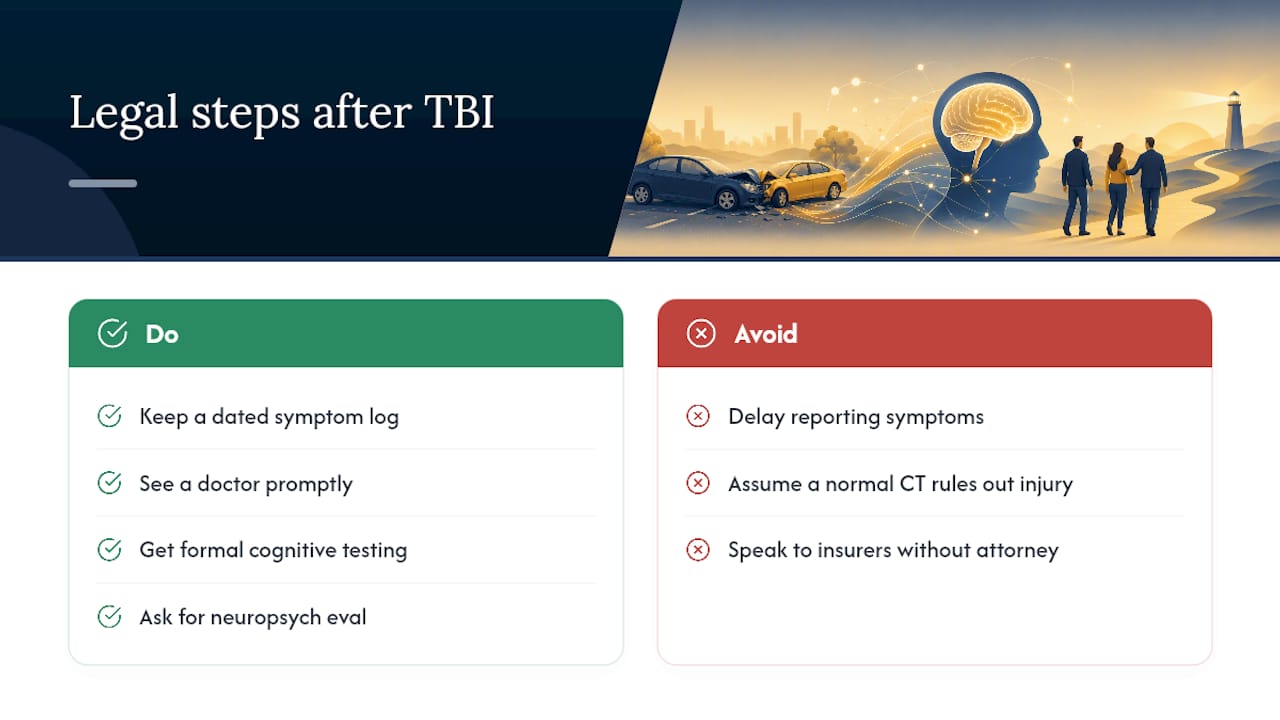
Brain injuries create a specific legal challenge that broken bones don’t: the damage is often invisible on paper, but the impact on someone’s life can be enormous. Medical documentation becomes the backbone of any compensation claim, which is why the same symptom log recommended for your care team also matters for a potential legal case.
If you’re pursuing compensation after a crash-related brain injury, a few things matter more than people expect. First, timing: symptoms that emerge days after the crash need to be tied back to the accident through consistent medical records, not just your own recollection weeks later. Second, the “invisible injury” problem: because a normal CT scan doesn’t rule out concussion, insurers sometimes push back on claims where imaging looks clean. Documented cognitive testing, neuropsychological evaluation, and a clear timeline of symptoms strengthen a claim considerably.
Compensation in these cases typically covers medical costs (both acute treatment and ongoing rehab), lost wages during recovery, and, in cases of lasting impairment, long-term care needs. Laws and processes for pursuing these claims vary significantly by jurisdiction, so speaking with a qualified personal injury attorney in your area, ideally one with experience in traumatic brain injury cases specifically, is worth doing early rather than after the insurance conversation stalls. Attorneys who specialize in this area understand how to translate medical documentation into the kind of evidence that holds up.
Charles’s Take: What the Research Actually Tells Us
The conventional wisdom failed a lot of survivors: rest in a dark room and wait it out. The evidence points the other way. Active, structured rehabilitation beats passive rest for most concussion recovery, and the sooner someone gets on that path, the better their odds of avoiding the 20 to 30 percent slide into post-concussion syndrome.
The bigger gap I see is in the “normal CT, so I’m fine” assumption. That scan is built to catch bleeds and fractures, not the functional injury that defines most concussions. Families need to hear this explicitly, because it’s the single most common reason people stop monitoring symptoms too early.
My priority order for anyone reading this after a crash: document symptoms daily starting now, don’t self-diagnose severity based on imaging alone, and treat gradual, supervised return to activity as the standard, not an inconvenience. The data on seatbelt use and alcohol is also blunt enough to repeat: those two choices shift injury severity more than almost anything else in the moment of impact.
— Charles
How Drivewithcare Supports Survivors and Families
Reading this far probably means you’re either living through a brain injury recovery right now or trying to help someone who is. Drivewithcare exists specifically for that gap between the ER discharge papers and feeling like yourself again, with survivor-focused resources built from the same clinical evidence covered here, not generic wellness advice.

Beyond the free red-flag checklist and family guidance, Drivewithcare funds neurological research into brain injury and memory loss, and runs community programs aimed at preventing the crashes that cause these injuries in the first place. Every donation directly supports survivor resources, educational programs in driving schools, and the research pushing TBI treatment forward. If this article gave you a clearer picture of what you or your family member is facing, consider supporting that work with a donation so the next survivor has the same resources when they need them most.
Sources
- Signs and Symptoms of TBI | CDC
- Concussion – Symptoms and causes | Mayo Clinic
- Traumatic Brain Injury (TBI) | NINDS
- Predictors of TBI severity after motor vehicle collisions (PMC)
- CT limitations in traumatic brain injury | LITFL
Recommended
- Memory, Personality, and Emotional Changes After a Car Crash – Safety Behind the Wheel Foundation
- What to do after a traffic accident? – Safety Behind the Wheel Foundation
- Concussion/TBI red flag checklist after an accident – Safety Behind the Wheel Foundation
- Resources – Safety Behind the Wheel Foundation

