
Together, we can help every loved one get home safe.
Through our Safer Roads Now initiative, we provide traffic safety education, survivor centered resources, and opportunities for communities, researchers, companies, and donors to work together toward safer roads for everyone.
Safety Behind the Wheel Foundation is a recognized 501(c)(3) nonprofit, established in 2023.
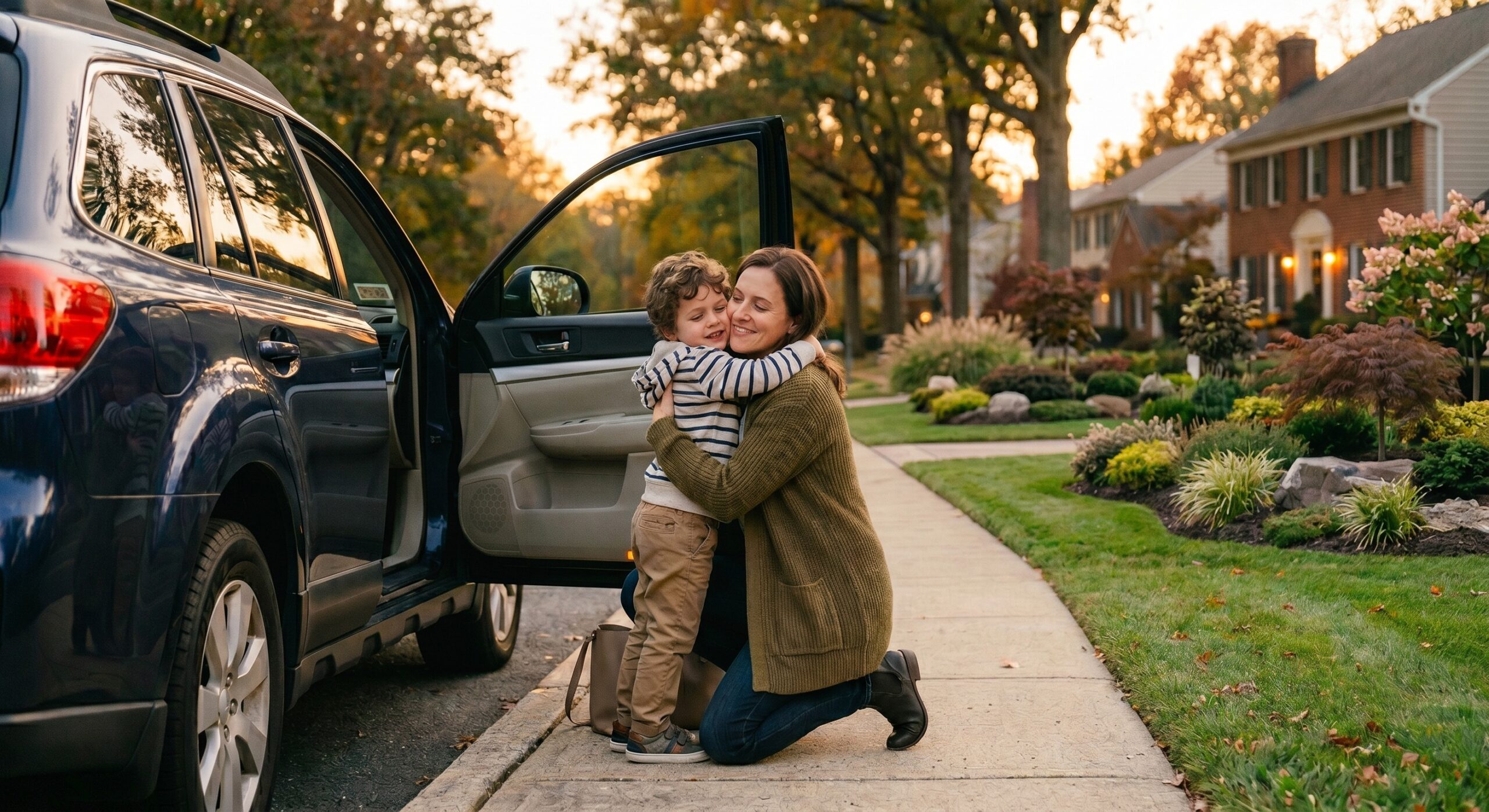
Our founder’s story
A crash survivor who turned eight months of recovery into a foundation for safer roads.
In the midst of a routine Friday afternoon, fate played its hand, turning the mundane into a catalyst for transformation.
Yet, as the tapestry of my existence was being painstakingly restored over eight months, I found myself chasing the dreams that once skirted my reality. Five years on, despite vivid memories of the pain, the incident stands as a masterstroke in the grand painting of my life, teaching the power of trust, hope, and positivity in revealing the unexpected beauty hidden in life’s corners.
Preventable, but with lifelong consequences
Global and U.S. road safety data from NHTSA and the World Health Organization.
3,200+
Deaths on the world’s roads every day
130,000
Injuries every day
90–96%
Preventable human error behind crashes
#1
Cause of death for ages 5–29
66%
Of fatalities are ages 18–59
77–81%
Of victims are male
1 in 4
Survivors face lasting psychological trauma
6.18M
Police-reported crashes in the U.S. in 2024
2.8M
ER visits in the U.S. in 2023
586
TBI-related hospitalizations per day in the U.S.
38%
Of spinal cord injuries in the U.S. are linked to crashes
3%
Of GDP lost to crashes in many countries
Together for safety and healing
Our work follows the road a crash leaves behind: preventing harm before it happens, supporting survivors afterward, and funding research for the injuries that last.
Before a crash
Traffic safety education
“Safer Roads Now” goes beyond awareness. It turns road safety into practical action through family driving agreements with teens, safety workshops, phone free driving challenges for everyone, and data informed highest risk hotspot locations. By combining education, behavior change, local partnerships, and privacy safe data analysis, we help drivers, passengers, families, schools, and communities prevent avoidable harm before it happens. Our Road Safety Insight Program helps identify where risk is highest, then turns those insights into targeted education, local awareness, and practical safety improvements before serious harm occurs.

After a crash
Survivor support
Every crash statistic represents a person, a family, and a future changed in an instant. The Safer Roads Now initiative addresses the hidden emotional and psychological wounds that often follow serious crashes, including PTSD, anxiety, depression, memory loss, brain fog, isolation, and loss of identity. Through peer support groups, counseling referrals, family resilience training, education, storytelling, and coping tools, the initiative helps survivors and families find encouragement, appropriate resources, and a path from fear and isolation toward understanding, stability, and hope. Together, we can ensure survivors are seen, supported, and never reduced to a number.

The long road
TBI & memory loss research support
Traffic crashes can cause life altering injuries, including traumatic brain injury, memory loss, and long term challenges that continue long after the crash scene is cleared. This fundraising program supports neurological research aimed at better detecting, understanding, and treating traumatic brain injuries that often remain invisible on standard scans. By advancing research into improved diagnostics, brain recovery, and long term cognitive health, the program helps move science closer to restoring memory, focus, independence, and quality of life for survivors.

Take the safety pledge
One unsafe moment can change a life forever. One safer choice can help protect it. The Drive With Care Safety Pledge is a simple promise to stay focused, slow down, buckle up, drive sober, use safety technology responsibly and speak up when something feels unsafe. Take the pledge today to help protect yourself, the people you love and everyone who shares the road.
Getting involved
There is a role for everyone who shares the road.
One unsafe moment can change a life forever. One safer choice can help protect it. The Drive With Care Safety Pledge is a simple promise to stay focused, slow down, buckle up, drive sober, use safety technology responsibly and speak up when something feels unsafe. Take the pledge today to help protect yourself, the people you love and everyone who shares the road.
If your life has been changed by a traffic accident, your story may help someone else feel seen, understood, and less alone. Whether you are a survivor, family member, caregiver, first responder, someone grieving the loss of a loved one, or a person who has made a safer choice behind the wheel, your experience can help others understand both the human impact of roadway trauma and the power of prevention. Your story can remind others why safer choices matter, from putting the phone away and wearing a seat belt to slowing down, speaking up as a passenger, and driving with care.
Help make safer driving a visible part of everyday life in your community. As a Community Safety Ambassador, you can share practical safety messages, encourage phone free and responsible driving, distribute educational resources, and inspire others to make choices that protect themselves, their passengers, and everyone on the road. Every conversation, shared resource, and reminder to drive with care can help prevent harm and build a stronger culture of safety.
Lend your time, skills, and compassion to help make roads safer and support those affected by crashes. Whether you help with events, outreach, education, survivor support, or community engagement, your involvement can make a meaningful difference.
Help turn safety education into action. Your sponsorship can fund printed accident checklist cards, school and workplace workshops, public awareness campaigns, survivor and family resources, and brain injury education initiatives. Together, we can give more people the tools to make safer choices before a crash and respond wisely after one.
Our growing impacts (October 8, 2026 at 3:15:46 PM New York time)
39,363
people reached through our site.
1,942
people committed to safer choices on the road through our online pledge.
5
driving school partners sharing road safety materials with new drivers and parents.
3
partner organizations supporting safer roads and community awareness.
6 daily outreach contacts
We reach out to 2 driving schools, 2 state or local agencies and 2 businesses each day to expand road safety education, data and prevention partnerships.
Thousands of pages
safety resources placed in the hands of new and developing drivers.
Why this impact matters
Safer roads are built before an accident happens. Research shows new habits take about 66 days on average to become automatic. Repeated pledges, reminders and safety messages can help turn safer choices into everyday routines.
The need is urgent. In the U.S. alone, NHTSA reported 39,254 traffic deaths in 2024, and distracted drivers injured an estimated 324,819 people in 2023.
Safer behavior can save lives. Seat belts reduce fatal injury risk by 45% for front seat passenger car occupants, and a review of 138 studies involving about 97,000 participants found that driving safety education and awareness improved most targeted safety behaviors.
That is why every pledge, visitor and partner matters.
Safer choices can prevent harm.
Everyone has a role to play.
Recent reach
See where our safety message is reaching people across the U.S. Each browser and IP address is counted only once within a 12 hour window.
Phoenix, Arizona, United States
(IPv6 2a02:4780:xxxx:xxxx)
Las Vegas, Nevada, United States
(IPv6 2600:8801:xxxx:xxxx)
Chicago, Illinois, United States
(IPv4 154.47.xxx.xxx)
Collinston, Louisiana, United States
(IPv4 199.19.xxx.xxx)
New York City, New York, United States
(IPv4 72.68.xxx.xxx)
Recent reach (International)
See where our safety message is reaching people outside the U.S. Each browser and IP address is counted only once within a 12 hour window.
Bekasi, Java, Indonesia
(IPv4 125.165.xxx.xxx)
Caririacu, Ceara, Brazil
(IPv4 201.131.xxx.xxx)
Paris, Ile-de-France, France
(IPv6 2a01:e34:xxxx:xxxx)
Sao Paulo, Sao Paulo, Brazil
(IPv4 191.13.xxx.xxx)
Idstein, Hessen, Germany
(IPv4 51.89.xxx.xxx)
Recent safety pledges
Recent pledge takers by state, country and partially masked IP information.
Connecticut, United States
(IPv4 174.168.xxx.xxx)
Massachusetts, United States
(IPv4 73.119.xxx.xxx)
New Jersey, United States
(IPv4 73.119.xxx.xxx)
Virginia, United States
(IPv4 3.93.xxx.xxx)
Support the Safer Roads Now initiative
Your gift funds traffic safety education, survivor centered resources, and research into the brain injuries that crashes leave behind.
Gifts to Safety Behind the Wheel Foundation, EIN 93-2485900, may be tax deductible to the extent allowed by law.
Scan to donate to support Safer Roads Now initiative. Or click here.
Safe Driving Resource Center
Guides, self-checks and articles for drivers, parents of new drivers, and families recovering after a crash.
For every driver
- Why drivers believe they are safer than they are
- Self-checkFind my pressure pointMy driving pressure profile on emotional regulation, impulsivity, and judgement.
- Self-checkWhat competes for my attention on the road?Phones, music, maps, messages, and “quick tasks” can all pull focus. Find what tests your attention most.
- Self-checkCheck my pre-drive habitsThe 20 second safety check.
- How one unsafe choice behind the wheel can affect your license, career, finances, family, and future
- The best reminder is the one that reaches the driver before the distraction does
For parents of new drivers
- The parent playbook for raising a trusted teen driverHow to turn driving rules into daily habits, safer choices, and earned independence behind the wheel.
- Family safe driving agreementA practical contract that helps teen drivers earn trust, build safer habits, and know exactly what to do when a situation feels unsafe.
- A safety rehearsal for parents to practice with young drivers before they drive alone
- What to say when driving pressure shows upFor young drivers, in the 15 most common scenarios.
Related topics
For survivors and families
- After the ambulance leaves, survivors may carry hidden emotional and neurological injuries
- Memory, personality, and emotional changes after a car crashWhy someone may seem different after a severe auto accident.
- How severe concussion can cause long term emotional and psychological changes
- What families need to understand about memory loss after a severe concussion
- How a concussion can affect the brain
Traffic safety
- Make the promise to drive safelyTake the Drive With Care Safety Pledge.
- Set Up Safer Driving Reminders Before You Start the Car.The best reminder is the one that reaches the driver before the distraction does
- After the ambulance leaves, survivors may carry hidden emotional and neurological injuries
- How one unsafe choice behind the wheel can affect your license, career, finances, family, and future
- Why drivers believe they are safer than they are
- Passenger safety scriptWhat to say when someone is driving dangerously. 30 calm, direct phrases passengers can use to help prevent crashes, reduce risk, and keep everyone in the car safe.
Roadside emergencies
- Post accident safety checklistWhat to do after a traffic accident? The simple steps that protect your safety, your health, and your future after a crash
- Concussion / TBI red flag checklist after an accidentThe warning signs that can appear hours or days after a crash
- Feeling fine after a crash?Lucid interval after a crash and why feeling fine can still be dangerous
- Why drivers believe they are safer than they are
My driving profile test
- Find my pressure point:My driving pressure profile on emotional regulation, impulsivity, and judgement
- What competes for my attention on the road?Phones, music, maps, messages, and “quick tasks” can all pull focus. Find what tests your attention most.
- Check my pre-drive habits: The 20 second safety check
Related topics
- Safe driving habits111 articlesEveryday habits and quick self checks
- Distracted driving26 articlesPhones, screens and other distractions
- Speeding and aggressive driving9 articlesSpeed, tailgating and road rage
- Drowsy driving and fatigue4 articlesSleepiness and long hours at the wheel
- Driver attention and hazard perception34 articlesScanning and spotting hazards early
Emotional and psychological consequences
- Memory, Personality, and Emotional Changes After a Car CrashWhy someone may seem different after a severe auto accident
- How severe concussion can cause long term emotional and psychological changes
- What families need to understand about memory loss after a severe concussion
- Driving again after a serious accidentA practical guide to rebuilding confidence, calming fear, and returning to the road safely
TBI and neurology
Related topics
- Concussion and brain injury19 articlesThinking, memory, mood and vision
- Spine and nerve injuries11 articlesNeck, back and nerve injuries
- Eye and vision injuries13 articlesVision changes and urgent signs
- ENT injuries13 articlesHearing, balance and smell problems
- Rehabilitation and pain14 articlesTherapy, pain control and recovery
- Medical fitness to drive10 articlesWhen it is safe to drive again
- Living with disability6 articlesLasting changes, equipment and support
- Medical care and medicines18 articlesFollow up care and safe medicine use
- Recovery complications8 articlesProblems that can slow healing
- Recovery at home9 articlesHome care and daily routines
About Safety Behind the Wheel Foundation
Safety Behind the Wheel Foundation was established in 2023 and became a recognized 501(c)(3) nonprofit organization in 2024. We are dedicated to making roads safer, supporting life changing accident survivors, and raising awareness about traumatic brain injury, memory loss, and long term emotional recovery.
Through our Safer Roads Now initiative, we provide traffic safety education, survivor centered resources, and opportunities for communities, researchers, companies, and donors to work together toward safer roads for everyone.
Gifts to Safety Behind the Wheel Foundation, EIN 93-2485900, may be tax deductible to the extent allowed by law, allowing supporters to make a meaningful impact while receiving appropriate charitable giving documentation for their records.
Stay connected
Sign up for our newsletter.
Choose the updates that matter most to you and stay connected with safer roads, survivor support, and recovery research.
Honoring lives. Inspiring safer roads.
Every person has a story, a family, and a memory worth carrying forward.
Our tribute space offers a meaningful way to honor loved ones whose lives were lost or forever changed on the road. Through remembrance, families and communities can celebrate the people they love while helping inspire greater care, awareness, and responsibility behind the wheel.
Visit the tribute space